

Rakiya A. Muhammad, who was in Germany
Science recognises no boundaries of nation, gender, or race. It is a universal quest fuelled by curiosity, resilience, and the drive to create change. This spirit came alive at the 75th Lindau Nobel Laureate Meeting (Interdisciplinary) in Germany, where Nobel Laureates and young scientists from across the world gathered from June 28- July 3, 2026.
Their diverse backgrounds blended into a shared mission: to tackle humanity’s most urgent challenges in global health, environmental concerns, artificial intelligence, quantum science, and scientific integrity.
Within the ranks of over 600 young scientists stand remarkable women from diverse countries, disciplines, and backgrounds.
In this chronicle, some of the women scientists reflect on how participating in the forum shapes their careers, offering glimpses into their experiences, lessons learned, and most valuable takeaways.
They also discuss their current projects, sharing their visions for making an impact on society.
Seeing Science Through a Fresh Lens
Chandra Wulandari, a doctoral Student in Engineering Physics at the Indonesia University of Education, shares: At first, I thought all the Nobel laureates would only focus on fundamental research. But when I met Omar Yaghi (Nobel Prize in Chemistry, 2025) ,and the others, I saw that they care deeply about making their discoveries useful for the community. This changed how I see science and research. I used to think the Nobel Prize was only about fundamental work, but after meeting them, I truly understood the idea of ‘Science for the greatest benefit of man.’
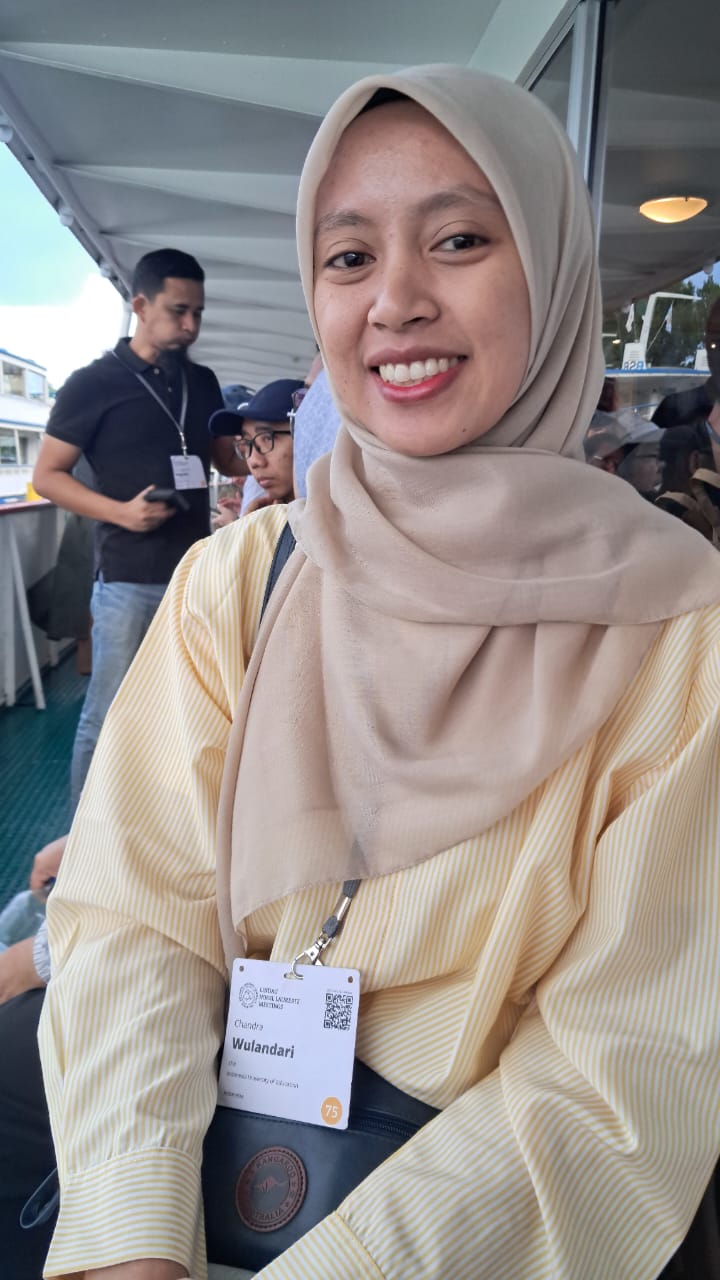
Before the conference, she often questioned the direction of her research. With a background in engineering physics, the Indonesian sometimes feared her work would not leave a mark like others’. Meeting the Nobel laureates sparked newfound confidence in her, motivating her to pursue her research with renewed passion and carve out her own unique path.
Working at the cutting edge of metal-organic frameworks, she found special inspiration in Nobel laureate Omar Yaghi, the pioneer of her field. She eagerly attended every one of his sessions, seeing him as a guiding light since he invented the very materials she now explores. Her research aims to push the boundaries of these frameworks for sensors and biosensors, targeting the detection of pollutants such as polycyclic hydrocarbons and, in biosensors, the detection of threats such as tuberculosis and E. coli.
As a materials scientist, she focuses on improving materials to enhance device performance. Her goal is to make detection more selective, sensitive, and reproducible.
Homing In on Ideal Research Journey
For Sharon Bright Amanya, a Ugandan and PhD candidate at Baylor College of Medicine/Immunologist, Houston, Texas, United States, the conference has deeply shaped her career path, especially strengthening her determination to pursue a postdoc in chemical biology.
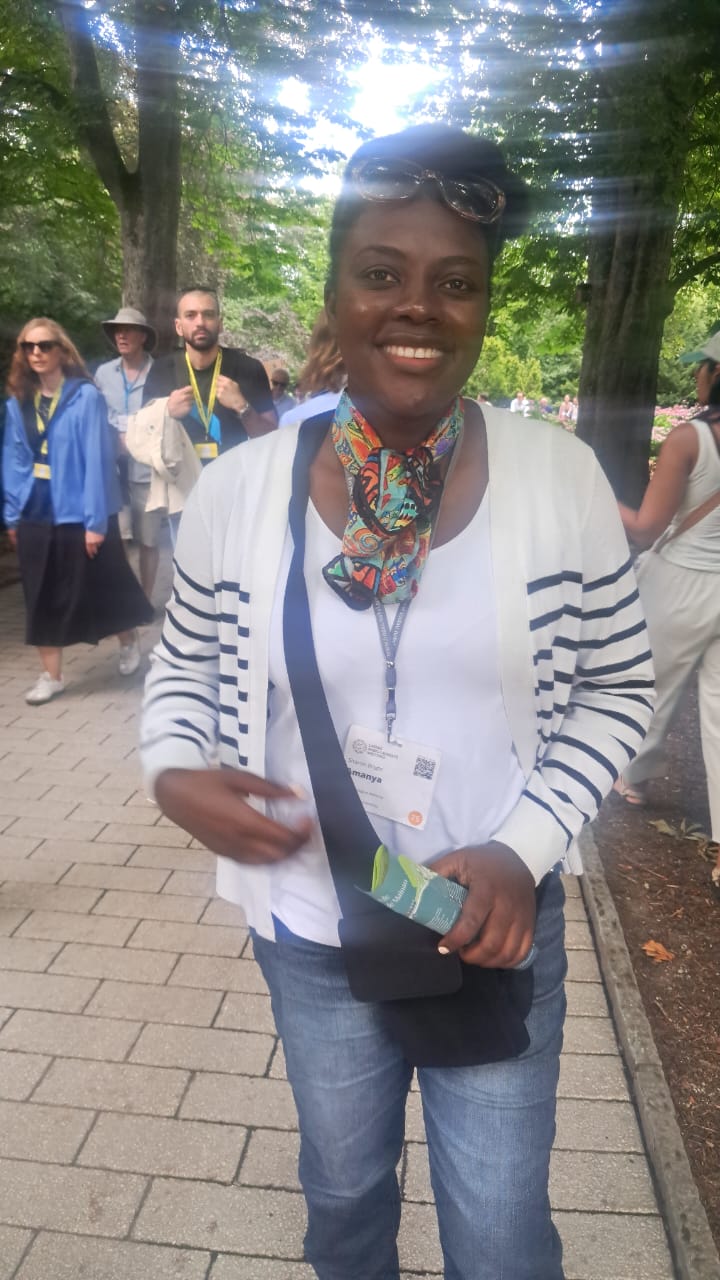
“This conference has made a profound impact on my career, especially my resolve to go and pursue the chemical biology postdoc because current immunotherapies are mostly cell therapies, which means they cannot be scaled in countries that do not have the infrastructure for cell therapies, for example, most countries in Africa and generally the global south,” she reveals.
“So, while I make cell therapies as vaccine for cancer, those I know are things they cannot use in Africa but coming into the conference which is multidisciplinary and seeing the power especially of chemistry, I can commit to a postdoc in chemical biology to be able to develop small molecule drugs which you can just inject and be able to re-programme the immune system and turn on anti-cancer responses.”
Chimi Lhamo of Sherubtse College, one of the two young scientists from Bhutan who participated in the international gathering, is yet another who gained inspiration from the conference to focus her interest.
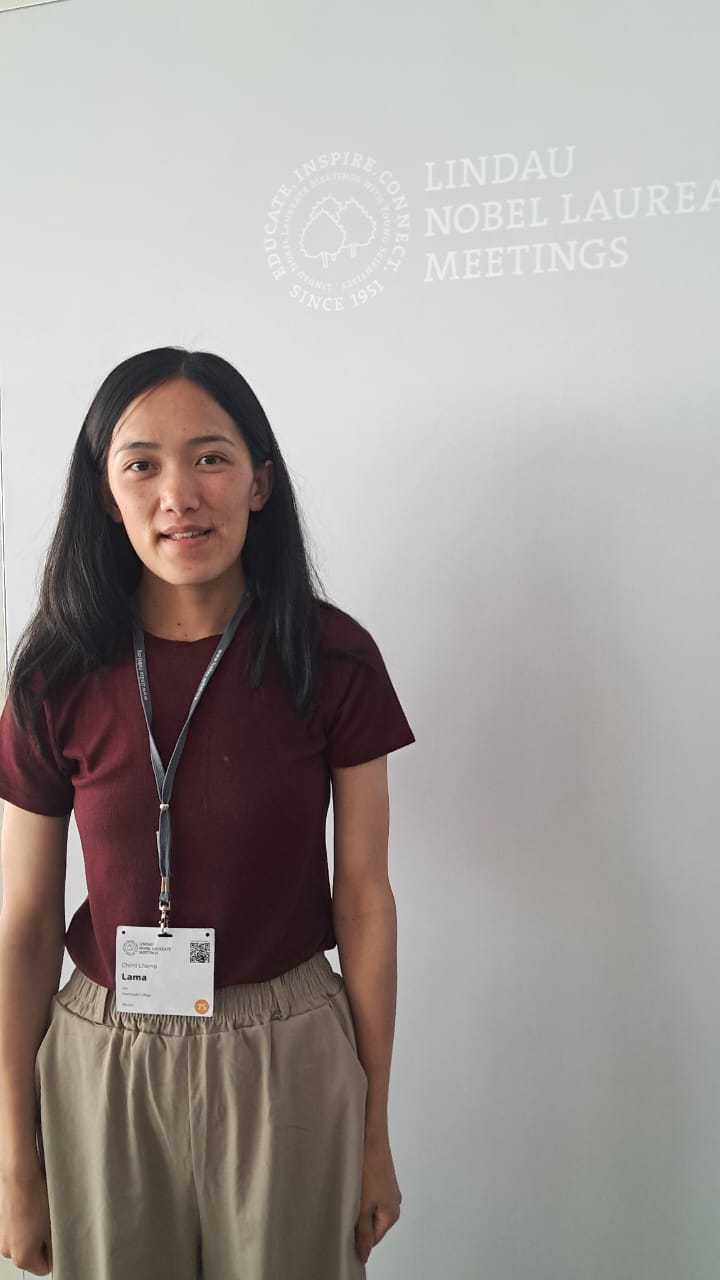
The undergraduate student of biological sciences remarks: “My interest lies in genetics, plant sciences, molecular biology, and insect biology. Through this meeting, for my further studies, I am trying to narrow my interest so that I can pursue one and specialise in it. “
The young scientist adds that the Lindau experience has boosted her confidence and sharpened her communication skills.
Chimi admires how approachable the Nobel Laureates are and how they highlight resilience and hard work over personal achievements. Beyond science, she has discovered the true value of collaboration and building connections, which spark new research and open doors to fresh opportunities. What stood out most was the vibrant diversity of the community: people from different countries and backgrounds, each with unique interests, yet all united by shared goals and similar challenges.
She admits that she was not initially very enthusiastic about the meeting, but now she wishes she could stay longer. “It’s been so exciting. I wasn’t really excited to come, but now I don’t want to go back.”
At Sherubtse College, she has taken part in fascinating projects, such as cataloguing gymnosperms—plants that produce only seeds, no flowers—and analysing the diversity of butterflies in her region —Lepidoptera. Through these projects, discovered a remarkable variety of butterflies and plants in the region.
Moving forward, she hopes to explore impactful fields in cellular biology and plant sciences, such as the study of algae.
Finding Lasting Inspiration from Stories of Strength & Success
Manel Machrek is a postdoctoral researcher in photo- and electrocatalytic chemistry at the Institut des Sciences Chimiques de Rennes, Université de Rennes 1/CNRS, France.
For her, attending the Meeting was not just exceptional; it was an experience that left a lasting mark.
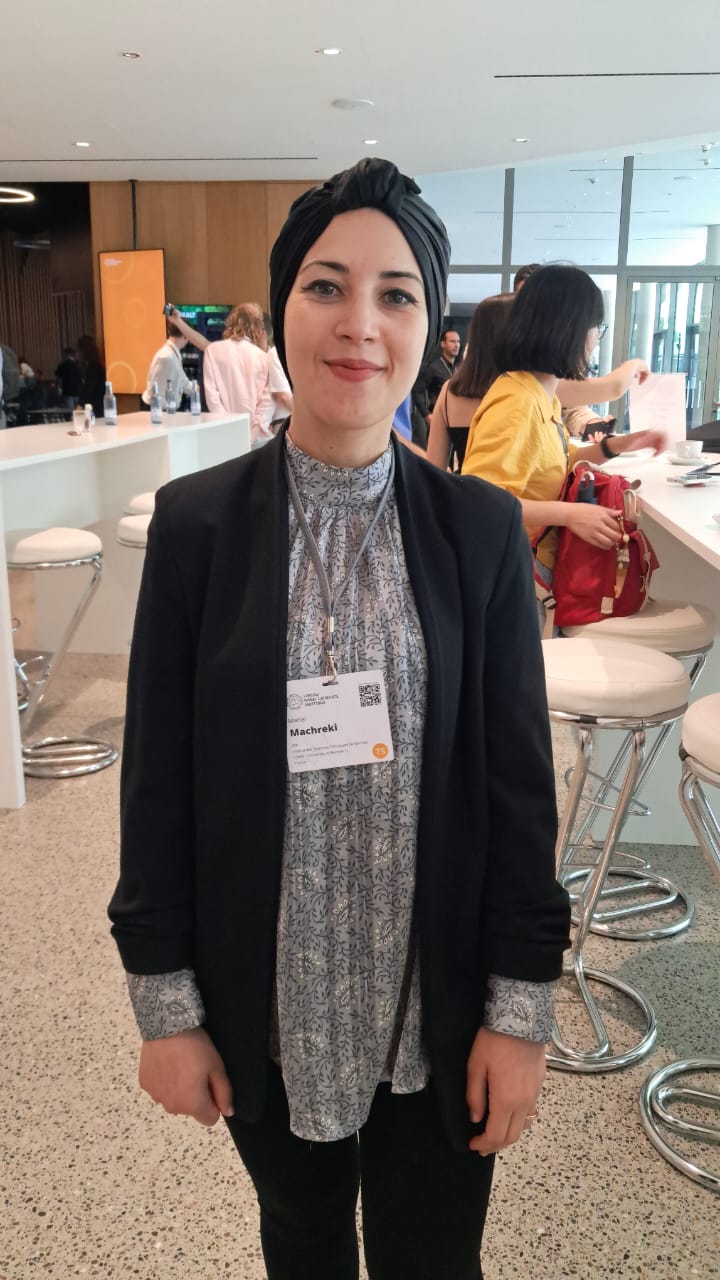
found the lectures, discussions, and interactions with distinguished Nobel Laureates, whose work many have admired from afar, highly inspiring. “Their scientific journeys reminded me that great discoveries are built with vision, perseverance, creativity, and courage,” she says.
Among the highlights of her attendance, Manel felt privileged to dine with some Nobel Laureates. These moments, she reflected, brought a profoundly human and uplifting spirit to her Lindau experience.
Beyond scientific excellence, she adds” Lindau reminded me that science is also about responsibility, generosity, international collaboration, and the people we meet along the way.”
She shares that attending this international gathering has deepened a humble dream she holds close: to continue evolving as a scientist and, one day, make contributions to science that are truly worthy of such honour.
Currently, the postdoctoral researcher is advancing SOLAR-CATMOF, her project within the Point de Contact National (PCN) – Actions Marie Sklodowska-Curie (AMSC) – Horizon Europe.
Her passion lies in creating advanced materials, such as metal-organic frameworks (MOFs), to drive progress in renewable energy and environmental solutions. With expertise in optimising photoactive nanomaterials for water splitting, wastewater treatment, and plastic transformation, she is dedicated to fighting global warming by developing materials that make a real-world difference, from purifying water to turning plastic waste into valuable resources.
For Chinasa Okorie-Humphrey, a Food Chemistry and Biotechnology Researcher, passionate educator, and advocate for sustainable food practices, one of the most unforgettable moments was hearing Nobel laureates share their journeys, recounting not just their triumphs but also the setbacks that shaped them.
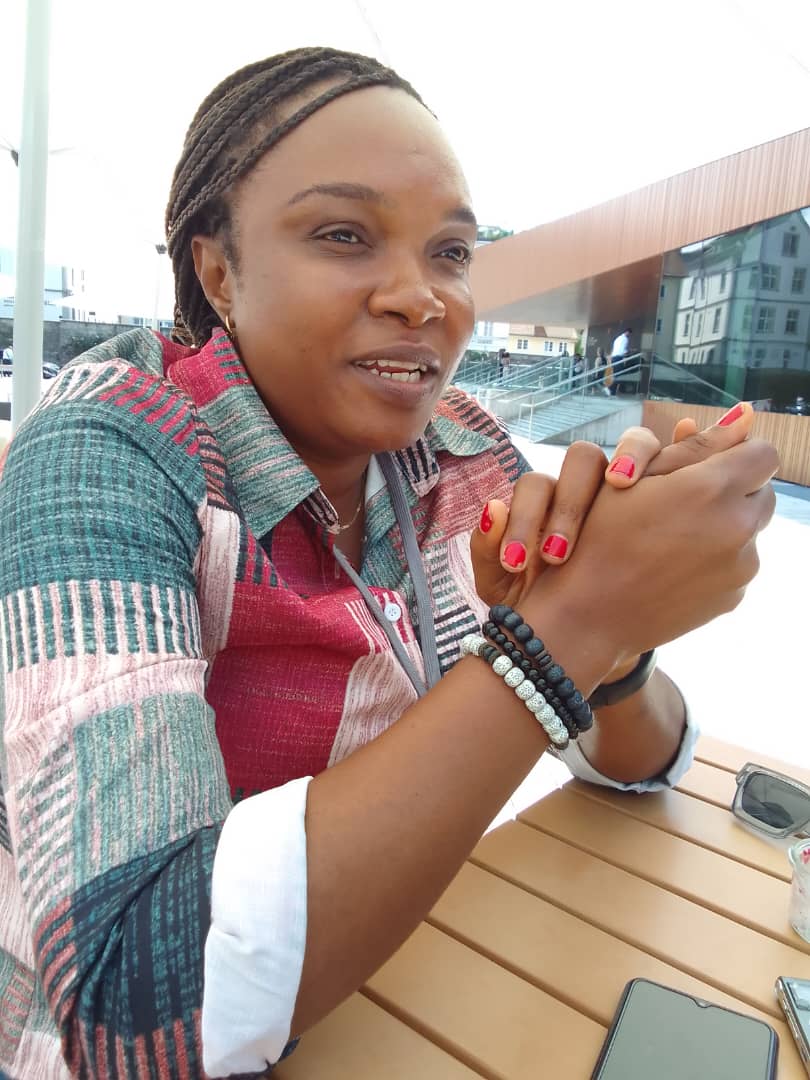
The Nigerian states: “I discovered new ideas, connected with brilliant minds, and exchanged knowledge. I had the chance to discuss my research, spark collaborations with young scientists, and learn directly from Nobel laureates.”
“This experience opened my eyes to the global nature of science. Borders do not limit science; we can always share ideas, collaborate, and tackle scientific challenges together, no matter where we are.”
She notes that their stories made science feel more human and natural: “Having the opportunity to listen to Katalin Kariko (Nobel Prize in Physiology or Medicine, 2023) speak about her experiences was truly inspiring. I had the privilege of meeting and speaking with David M. Beasley, a former Executive Director of the World Food Programme, during the science walks. The entire conversation was extremely impactful.”
Chinasa lectures at Abia State University, Nigeria. She completed her PhD in Food Chemistry and Biotechnology at Michael Okpara University of Agriculture, Umudike, last August.
“My PhD work was on tigernut; I worked on preservation and shelf life. During my production, the tigernut residues, chaff, were more than the milk, and there was nothing to do with it because I was only focusing on the milk,” she narrates.
“Now I am trying to advance my PhD research. Tigernut milk is a household name in Nigeria. So, not just producing the Tiger nut milk but utilising the chaff, I have been exploring options in valorisation of the chaff; also processing by using them for value-added products, coming up with other household food items from it.”
Weaving Connections & Thriving Together
For Maggie Horst, a postdoctoral scholar at the University of California, San Francisco, USA, it offered a valuable opportunity to network and engage with scientists from across the globe.
“This is a wonderful event both to meet the laureates and to meet other scientists from all over the world who are working on problems that will impact global communities and also to impact each other,” she says.
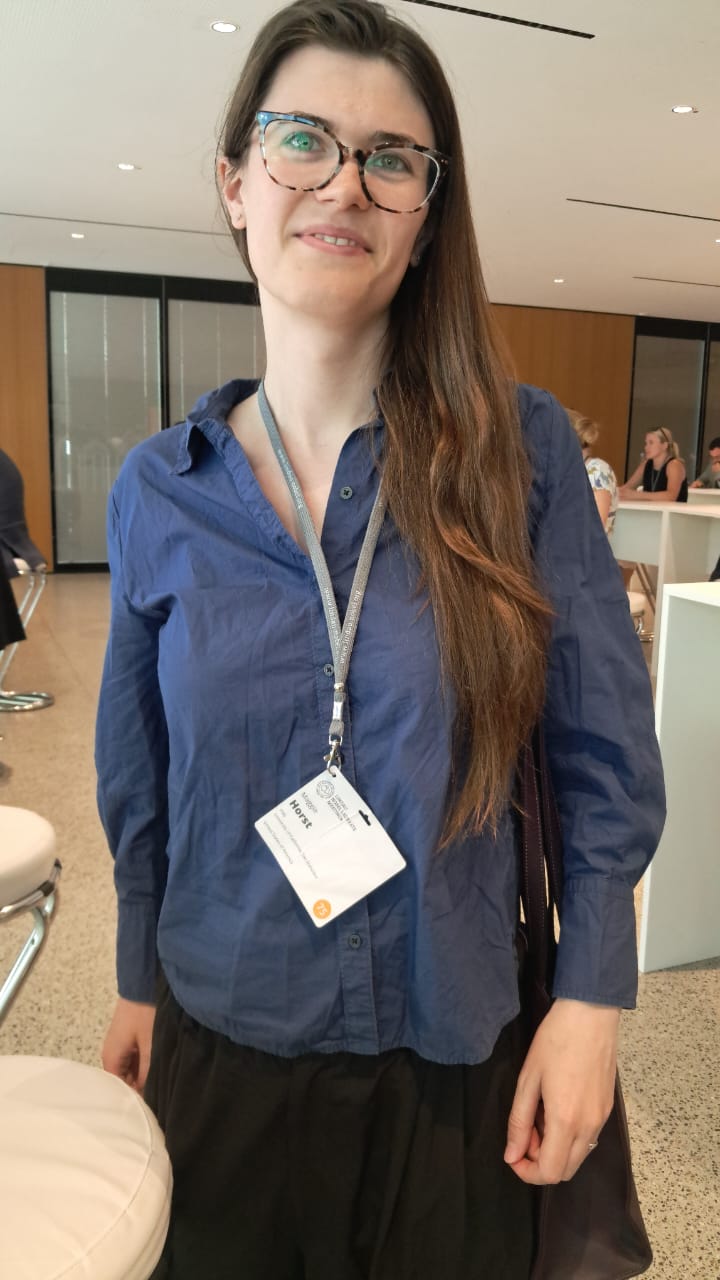
“Being here and seeing the excitement that everyone has to connect and achieve across borders is really important.”
The greatest takeaway, according to her, is that people need to work together, stressing that by joining forces they can accomplish far more than any single institute or private organisation, especially by learning from the laureates’ wisdom.
When asked who impacted her most, she reflects: “Rather than any individual one, I think the breadth- this is the 75th anniversary, and interdisciplinary, and my research lies in the intersection between chemistry, physics and biology. So being able to learn from Laureates in all these areas, and get talks that I might not have expected to understand, and come away with new ideas. That is the greatest takeaway.”
Maggie works on protein design, building new proteins from scratch. She explains: “The global challenge I am working to address is cancer, where if we could send the signals that our bodies produce only at the site of the cancer, then we might be able to use that to release drugs that can treat that local cancer without as many side effects.”
Safa Khemissi, a Tunisian and postdoc at Leibniz University Hannover, Germany, describes her participation in the conference as an amazing experience. The time and the thoughtful conversations she shared with everyone she met during the meeting made a real difference for her.
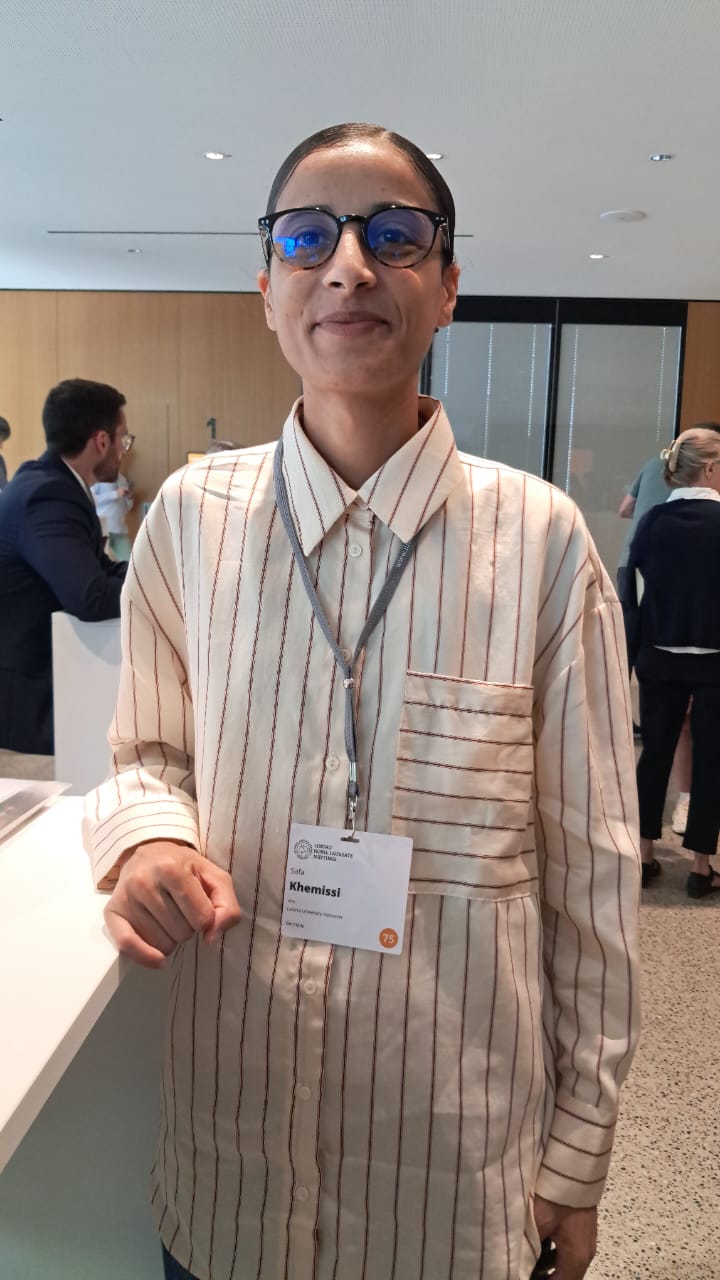
” I am impressed first of all because I had the chance to meet scientists from around the world, from Africa, Asia, and South America; I also had the opportunity to meet Nobel laureates not only in my field, working to solve problems. I’m grateful to everyone I met during the meeting; your time and conversations meant a lot to me.”
The spectroscopist sheds light on her field, emphasising its crucial role in studying systems relevant to medicine and atmospheric science. By analysing molecular systems, she aims to uncover new insights into their behaviour, which could lead to advances in space exploration and a deeper understanding of atmospheric chemical processes.
She expresses her desire to focus on medical applications, aiming to provide deeper insights into various molecular systems. Her goal is to help develop new medicines for different diseases and to contribute to understanding atmospheric molecules, ultimately addressing pollution.
Her advice to young scientists is simple: collaborate.
For Jenna Hendrix, a chemist from the University of Oldenburg, Germany, the international scientific conference proved truly insightful, inspiring and invaluable. “It’s pretty beneficial, and I have learnt so much and gained so many insights from so many people,” she says.
Meeting many fascinating people stood out for her. It feels like a great honour. I have met so many interesting people. What was most beneficial to me was having to explain what I do at so many different levels, because there’s a difference between explaining to someone from your field and others.”
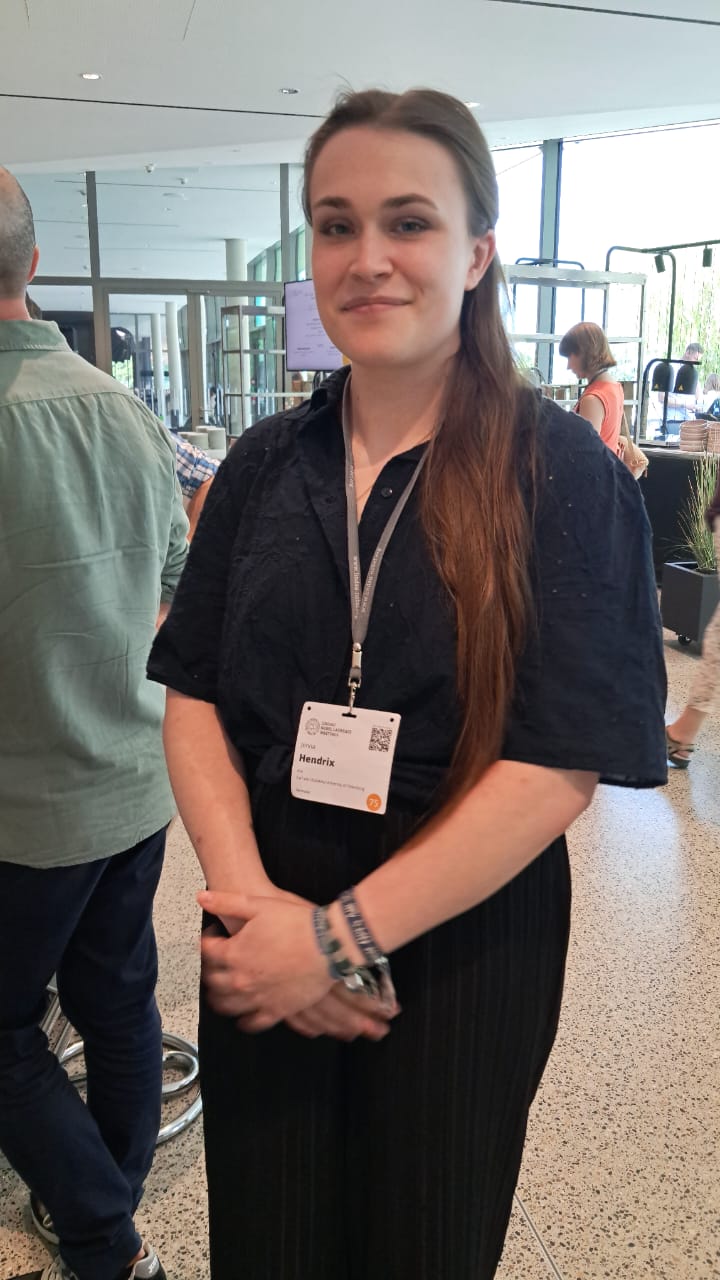
Jenna is working to push the boundaries of quantum computing, offering a significant speed advantage over traditional ones.
“We are trying to evaluate a potential quantum keyboard for quantum information long enough to be used in an actual quantum computer. We are hoping to advance quantum computing and quantum computers because there are certain applications where a quantum computer has a significant time advantage compared to a normal computer, and I am hoping to devise real components of quantum computers-the keyboards.”
She highlights the benefits, such as faster computation times and accelerating the pace of discovery, pointing out that computer speed often limits progress.
Henna’s advice to young scientists: be brave.
Staying True to Passion
Zeineb Sassi is a German-Tunisian and a scientific researcher in (Medical) AI at the University of New South Wales, Australia and the University of Regensburg, Germany. She expresses excitement about her active participation at the interdisciplinary conference.
“I would say I have had a really active participation here. I enjoyed a lot of panel discussions and a lot of partner events such as dinners and breakfast, also speaking as a panellist at one of the discussion panels-what future should science create for humans. I will say I had a really active participation, and the networking is really nice,” she remarks.
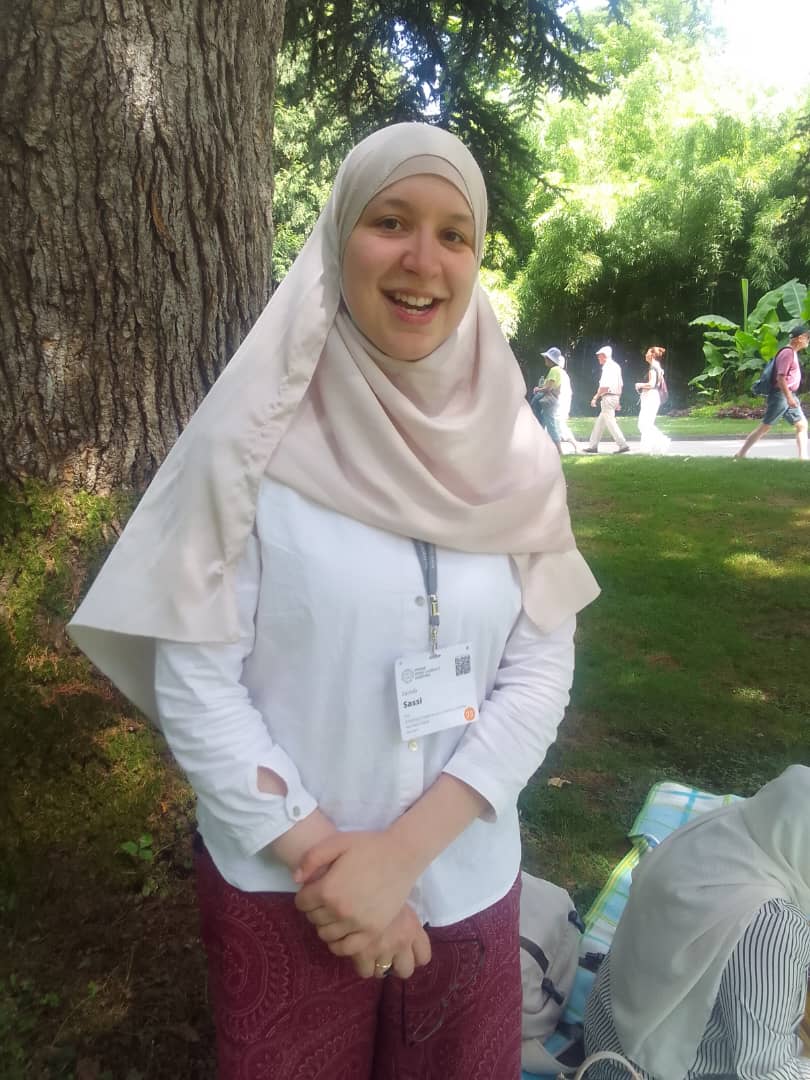
” One thing that shaped me, just in general, is that it is really important to select the people with whom you want to work, and that helps you shape the vision of your research topic.”
Inspired by Nobel Laureate Katalin Kariko, who overcame countless obstacles, she realised the power of staying true to her passion, pursuing her interests, and surrounding herself with supportive allies.
Zeineb researches human-AI interaction in medicine, developing AI systems and evaluating them based on patient feedback. She focuses on high-stakes medical areas like kidney transplant care and other types of transplantation.
She emphasises the vital role of her field, describing artificial intelligence as the driving force of the future, already woven into every aspect of our lives. Her research shapes the conversation about where to draw the line between machine and human judgment.
“I think artificial intelligence is basically the future; it’s being applied in every single domain, and I think my particular research is important because we need to define how much we rely on machines, and how much we rely on human decision-making,” points out the researcher.
“This is what my research is touching upon: how much can we delegate to machines; how much should stay in human authorities. I think this is really important to define the future and keep everything in balance.”
Uncovering Life’s Wisdom Beyond Lab Walls
Moyinoluwa Akintunde, a Nigerian and Postdoctoral Researcher/Industrial Microbiologist at the Institute for Sustainable Polymers and Composites, Aalen University, Germany, says it goes beyond the science, adding that she didn’t realise the weight of it until she attended the interdisciplinary conference.
“I knew this was a top-tier, prestigious meeting with only 600 attendees chosen from thousands of applicants, so I expected it to be competitive. I knew it was an incredible opportunity to meet Nobel laureates and renowned scientists. Yet, I did not truly grasp the significance of the event until I arrived. Sometimes, you cannot understand the true impact of an experience until you are living it yourself,” she recounts.
“For me, it’s really great; it’s really inspiring getting to hear people and their stories. The science is very great, but it goes way beyond the science; it goes more into life lessons, what you learn from these people.”
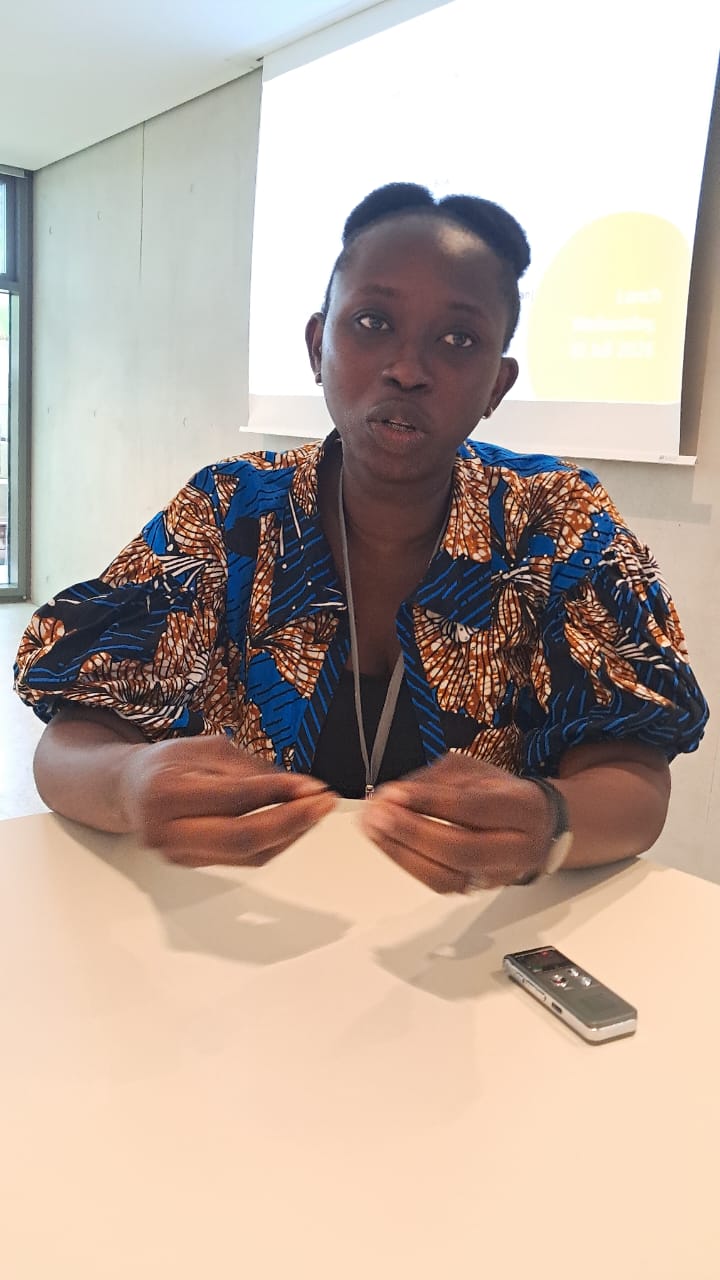
Moyinoluwa reflects on the lessons: “The final session, where four Nobel laureates shared their life experiences, was incredibly valuable. Hearing their stories made me realise that they are just like us. They have faced ups and downs, struggles, and rejections—they did not arrive at success overnight.”
She adds: “The experience has more or less been general for me, especially from the life lessons- what one of them said about those accidental observations may be the most important ones, really resonated with me,” she highlights
“I have realised that in my journey in research, I have had a lot of accidental observations that prompt some path in my research journey. I am learning that nothing is a mistake, especially for us as scientists. Sometimes accidental observations lead to questions that you need to answer that will then take you to another question that will then lead you to another question, and that may be the breakthrough point for you.”
The Microbiologist from Oyo State, Nigeria, also sheds light on her research: “My work focuses on the biodegradation of polymers. I am exploring how microbes can help solve plastic pollution by breaking down polymers, especially those used in composite or hybrid materials. By making some of these polymers biodegradable, we can separate and recover single-material components like aluminium or fibre-reinforced materials, making them easier to recycle separately.”
Her greatest takeaway is the importance of consistency and perseverance.
“You have to remain consistent, don’t give up, don’t think that there is a line that you cannot cross,” she highlights.
“ If you have to cross the line, cross it, but everything for me with integrity and dignity is very important.”
The presence of these young scientists and a host of others at the Lindau Nobel Laureate Meetings lights the way for future generations of women scientists. Their work across various fields encourages more women, especially from underrepresented regions, to pursue science and make a meaningful impact.
