
Rakiya A. Muhammad
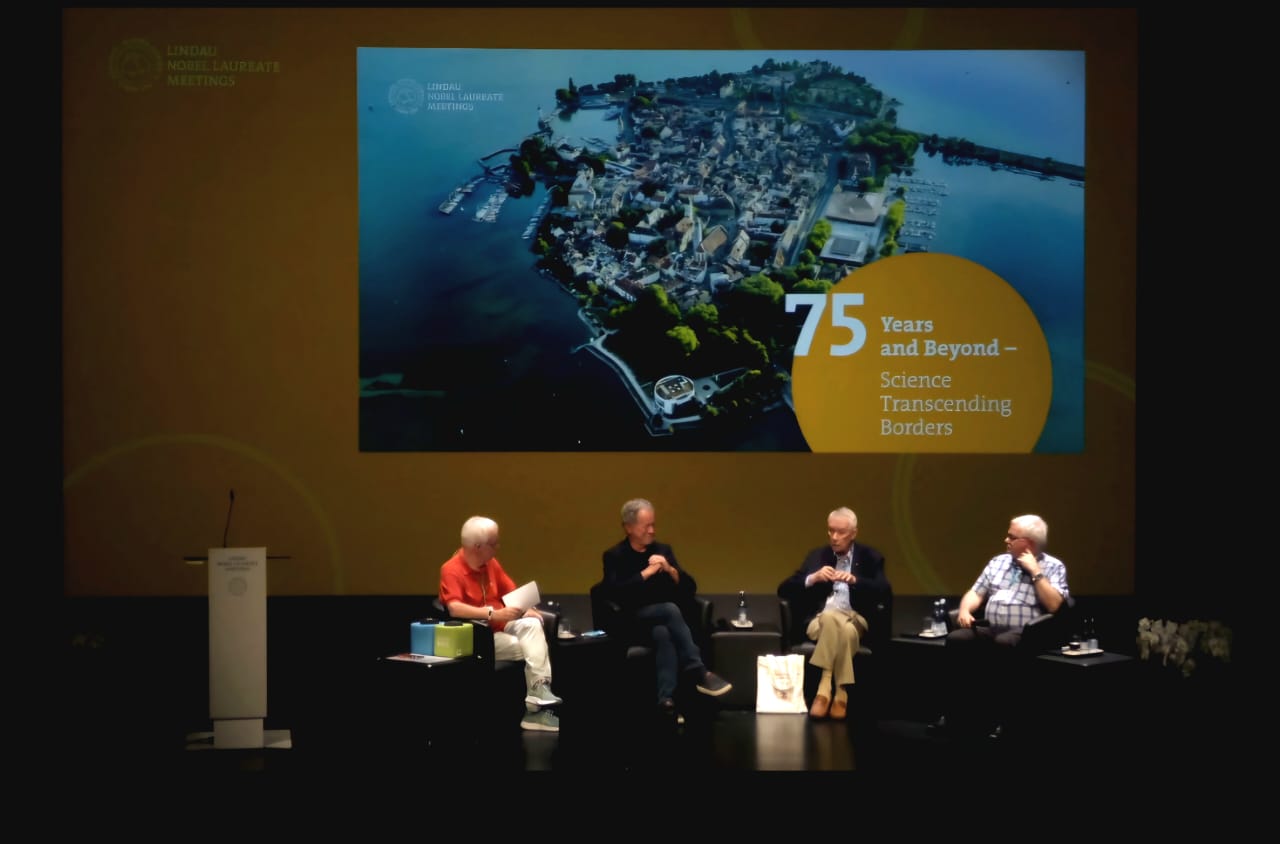
Is food security a scientific challenge, a political failure, or a moral imperative? This compelling question brought together experts from diverse fields at a ‘Synergy Talk’ during the 2026 Nobel Laureates Interdisciplinary Meetings, themed 75 Years and Beyond-Science Transcending Borders.
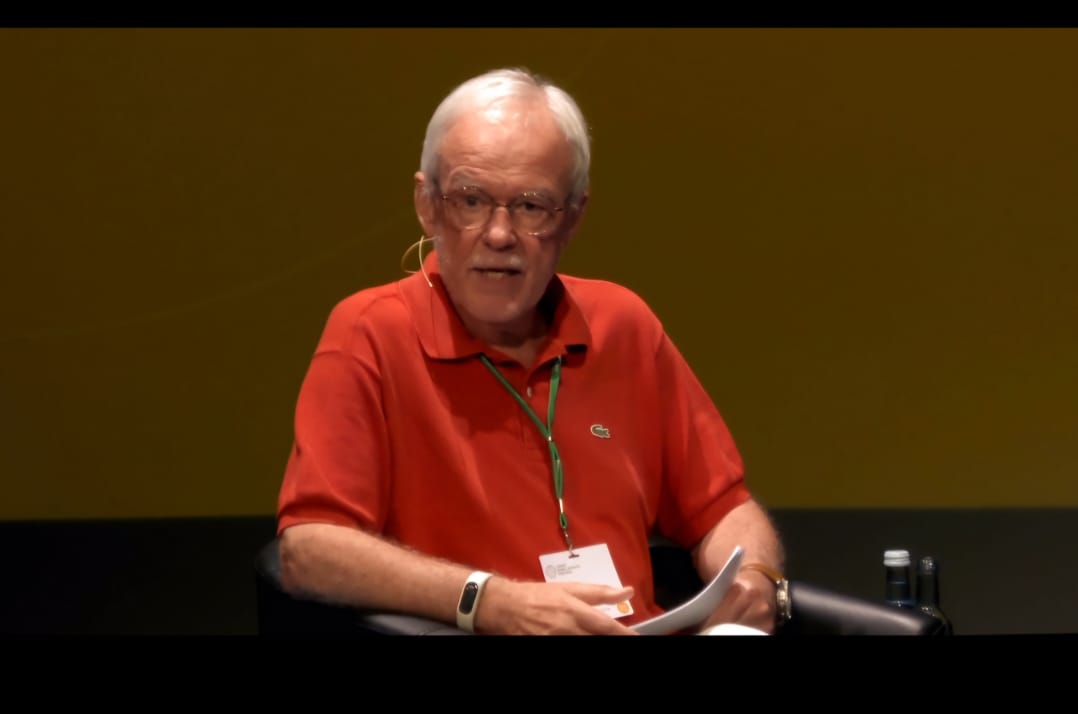
Stefan H.E. Kaufmann, Founding Director of the Max Planck Institute for Infection Biology in Germany and a board member of the Lindau Nobel Laureate Council, moderated the talk.
Kaufmann, whose work has focused on infectious diseases, particularly tuberculosis, notes that malnutrition is often overlooked as the single most important, or strongest, risk factor for tuberculosis and other infectious diseases. “That tells us that beyond the classical issue of hunger, there are also interconnected issues,” he says.
He frames the discussion by asking why hunger endures in an era of unparalleled knowledge and capability: “We live in a world that produces more than enough food to feed everyone and yet hunger persists.”
But Kaufmann quickly adds: “Not because science has failed, I would like to stress that, but because systems, politics, economics and social structures do not ensure that food reaches those who need it most.”
Starvation Amidst Global Abundance
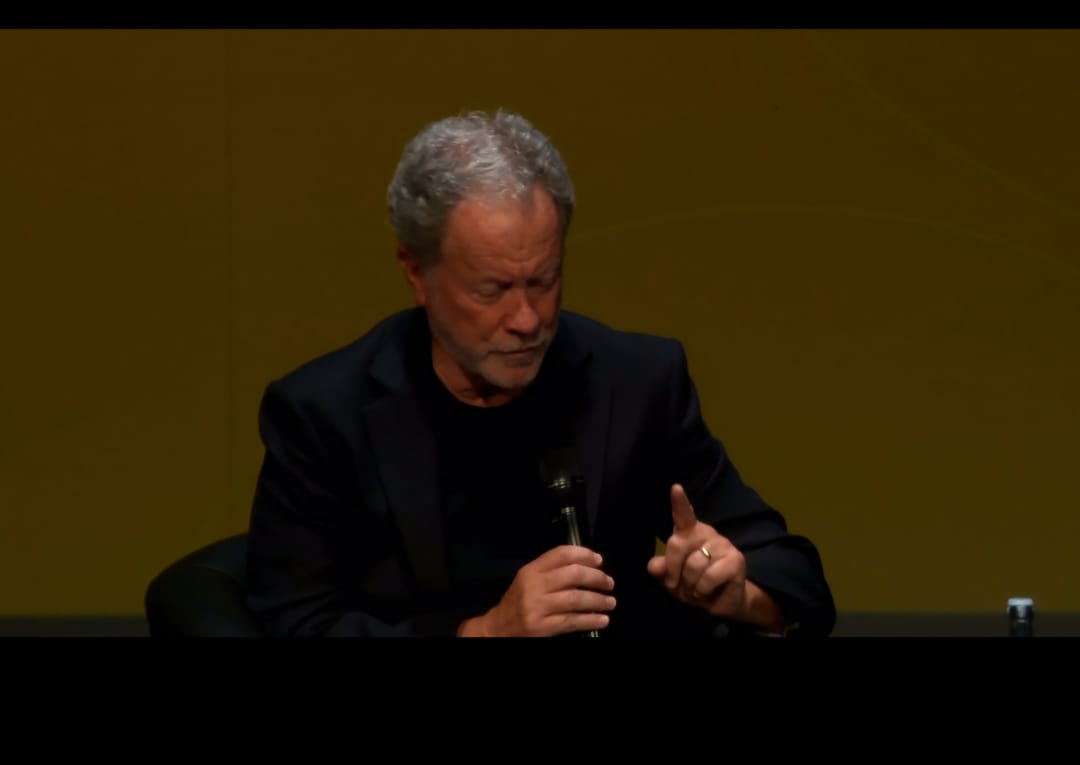
David Beasley, a former Executive Director of the World Food Programme, asked a critical rhetorical question as a panellist at the discussion: How, in today’s world, are so many people still starving to death?
Beasley, who has witnessed hunger as a human reality rather than just a statistic, raises an uncomfortable question: If we can feed the world, why do we choose not to?
He served as Executive Director of the U.N. World Food Programme from 2017 to 2023, raising over $55 billion and helping millions of people in more than 80 countries. As global conflict and the pandemic increased extreme poverty, Beasley raised annual funding from $6 billion to over $14 billion to feed 160 million people.
In December 2020, he accepted the Nobel Peace Prize on behalf of the UN World Food Programme for its efforts to combat hunger, address conflict, and promote peace worldwide.
“It is heartbreaking to consider that every four seconds, someone dies from hunger,” Beasley says at the Synergy Talk. “Shame on humanity; we all share the blame, from political leaders to all of us.”
Beasley points out that any person, especially any child, who dies from hunger is a tragedy. He adds that many may not die directly from hunger, but from diseases caused by inadequate nutrition. “Allowing children to die, regardless of one’s position, is simply wrong.”
The Nobel Laureate highlights that the amount of food produced today is double what it was six or seven years ago in Europe or Asia, so the current problem is not production, but accessibility.
Corruption Drives Hunger
Offering his perspectives on why food insecurity persists, Beasley cites corruption and ineffective supply chains as key issues in Africa. He has also been critical of Western leaders for not holding leaders around the world to account.
The humanitarian also observes that Western leaders often avoid addressing root causes, preferring to focus on domestic needs such as infrastructure, education, and healthcare.
He notes that European leaders failed to address the root causes of the crisis in Syria 15 to 20 years ago. As a result, a million refugees were forced to leave their homes due to food insecurity.
If people cannot feed their children, Beasley points out, they will do whatever is necessary, including becoming refugees.
He argues that, even if not motivated by compassion, addressing these issues abroad is essential for financial and national security.
Beasley believes that migration and other critical issues are under-prioritised due to a lack of knowledge and political will, with the latter being the most significant factor.
After receiving the Nobel Peace Prize, he noticed increased attention from political leaders, including prime ministers and presidents, who began using his talking points.
The peace apostle, a former Governor of South Carolina, believes that when leaders understand these issues, it can make a significant difference.
He emphasises the importance of establishing systems that enable people to meet their own food needs, support their families, and participate in local markets.
Beasley notes that about 75 per cent of food consumed in Africa comes from smallholder farmers, and that to reduce conflicts in the Sahel, especially between herders and farmers, ensuring access to water is essential for successful crop production.
He recalls that at the World Food Programme, they developed techniques to help farmers and herders collaborate on land allocation and water capture.
“Today, the development of seeds that require less water and fewer chemicals is a game changer and very exciting.”
Food as Medicine
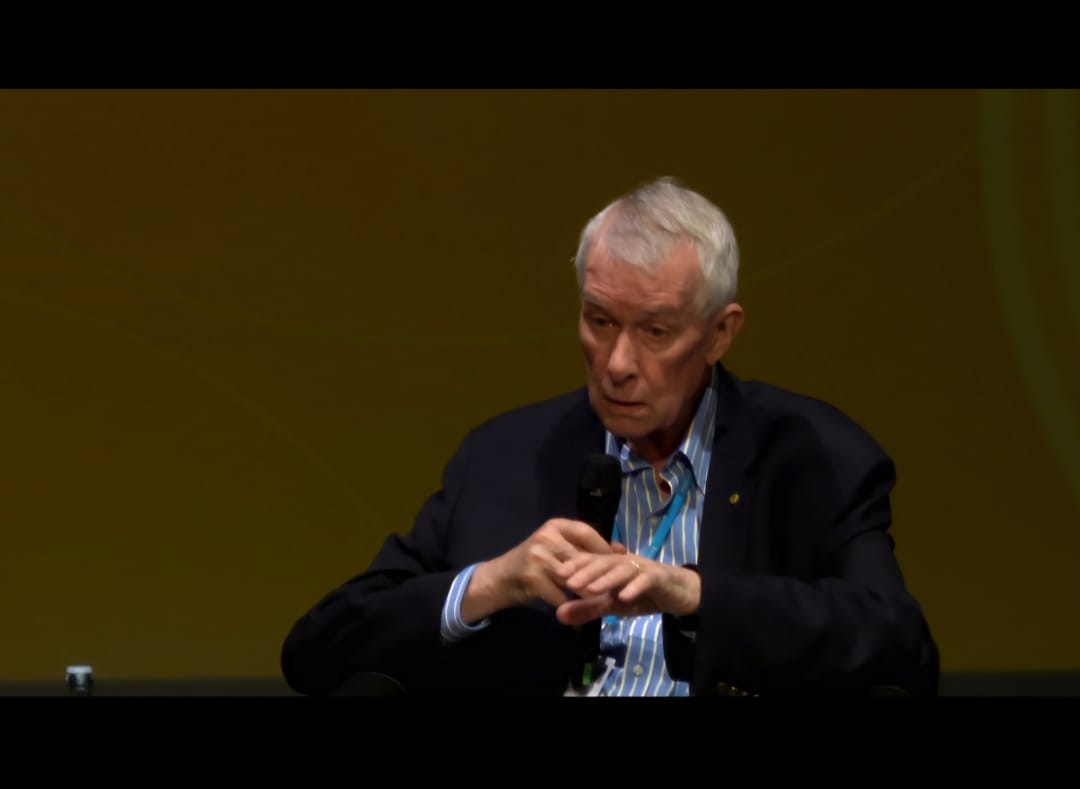
Another panellist was Sir Richard Roberts of New England Biolab Beverly, who received the Nobel Prize in Physiology/Medicine in 1993 for the discovery of split genes.
He is at the forefront of a campaign, joined by 131 Nobel Laureates, that supports the safe and transformative power of GMO techniques to improve plant varieties, particularly for the benefit of developing countries.
Roberts argues that opposition to GMOs has led to preventable suffering and malnutrition, stating that ideology, rather than science, is blocking solutions to hunger. He also notes that financial barriers often prevent people from accessing food.
He shares a time he was invited to speak on the future of medicine, but he changed his topic and delivered a presentation titled “Food is Medicine.”
“If you are hungry at night, you don’t need fancy drugs. You need food. This is what keeps everybody going.”
He addresses concerns from anti-GMO groups who claim the products are dangerous and should not be consumed. “This is not true. After 35 years, there has not been a single accident,” he underscores.
The agricultural technology advocate believes science can play a significant role. He emphasises the importance of ensuring scientists have every opportunity to contribute, particularly in improving local crops.
Roberts highlights that modern GMO biotechnology allows scientists in developing countries to create improved crops themselves. With this technology, they do not have to rely solely on traditional agriculture; they can produce improved crops themselves.
Rethink Supply Chains for Sustainability
Brian Schmidt was also on the panel that discussed food security at the Lindau Meeting. He received the Nobel Prize in 2011 in Physics for the discovery of the accelerating expansion of the Universe.
Schmidt’s family has deep roots in agriculture. From 2016 to 2023, he was Vice-Chancellor of the Australian National University, which hosts one of the largest plant science programs globally.
“Since I became the VC of the Australian National University, I became involved in some of the things we talked about here.”
He observed that following the Green Revolution of the 1940s, 1950s, and 1960s, agricultural productivity increased by about one per cent per year.
The winery owner notes that while improving agricultural productivity is relatively straightforward, agricultural research has not received significant attention.
He explains that incremental annual improvements, when effectively integrated into the market economy, yield a productivity increase of about 1.1 per cent per year.
Schmidt emphasises that solutions must be tailored to specific markets, such as Southeast Asia, Africa, and the Middle East.
He adds that “climate change, which is not yet fully understood, is likely to create significant challenges for agricultural productivity, potentially exceeding current projections. On a positive note, declining fertility rates may result in a lower peak global population.”
Schmidt predicts that significant challenges will persist over the next 20 years and advocates major investment in agricultural research to achieve food security by 2045.
He argues that simply producing food in the West and exporting it to the East will not build the necessary resilience. Instead, it is important to address nutritional needs locally and involve communities in the process.
The Nobel Laureate believes that having a clear, concise objective that can be communicated to policymakers is essential for mobilising support and developing the technologies needed. “These technologies may not yield immediate economic returns, but they are far less costly than alternatives such as conflict or mass migration.”
He thinks the biggest issue now is governance in parts of the world that lack the structures needed for food security to develop.

Schmidt acknowledges that external factors can hinder countries’ efforts to strengthen their resilience. Ultimately, he believes nations facing food insecurity must develop the capacity to provide for themselves, especially given ongoing conflicts and geopolitical challenges.
He urges investment not only in basic research but also in practical systems, especially supply chains that empower local production. While export markets might emerge, he insists that building strong, effective systems at home must come first.
Currently, many agricultural research units in Africa operate below critical capacity, the Nobel Laureate observes, advising that the focus should be on building critical mass rather than spreading limited resources too thinly.
Schmidt observes that Western research tends to centre on crops suited to Western climates, which may not benefit Africa. He stresses the importance of pinpointing and supporting research on crops that thrive locally.
On what he thinks will have the biggest impact on global food security over the next 20 years, he insists on reimagining research through a practical lens and urges a holistic view of the entire supply chain.
“It is very much about changing the way we do research; It’s about looking pragmatically at what needs to be done in the whole chain,” he remarks.
“It might be about how we build water supplies, food production locally that is cost-effective and going to work for the next 25 years. It’s to my mind a new way of thinking rather than a single one-shot thing.”
