
By Tunde Omolehin
Médecins Sans Frontières (MSF) has urged the Federal Government to integrate noma prevention, early diagnosis, and treatment into primary healthcare services to prevent avoidable deaths and lifelong disabilities caused by the disease.
It also called for improved immunisation coverage, better nutrition, increased public awareness, and enhanced training for healthcare workers to ensure early detection and prompt treatment of noma, a severe disease that destroys mouth and facial tissues.
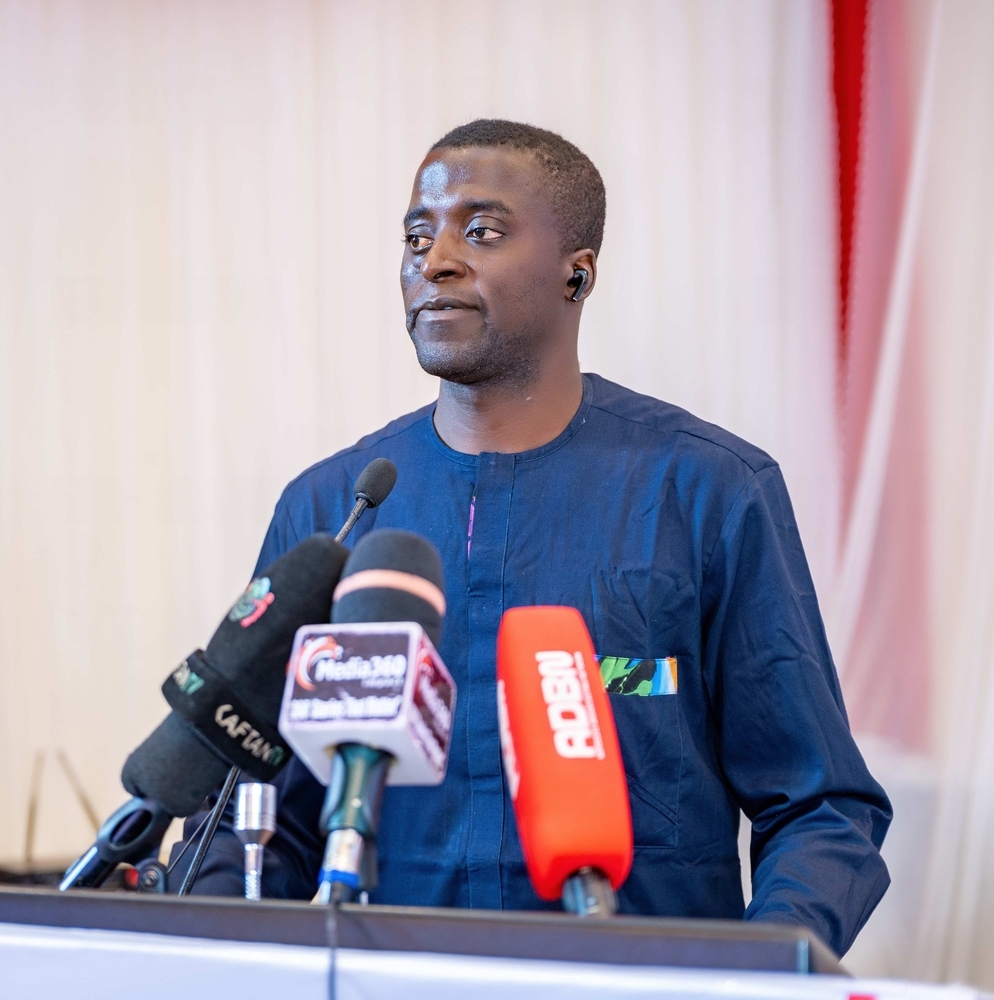
Samuel Ajamah, MSF Nursing Activity Manager, made the call while speaking with journalists in Sokoto, noting that the disease’s reduced prevalence highlighted gaps in Nigeria’s primary healthcare delivery system.
Ajamah said noma was preventable and treatable, but many children continued to suffer its devastating effects because of poverty, malnutrition, poor oral hygiene, inadequate immunisation and limited access to healthcare, particularly in rural communities.
“Noma is a marker of inequality. Addressing it requires stronger primary healthcare, better nutrition, improved vaccination coverage and greater access to health services,” he said.
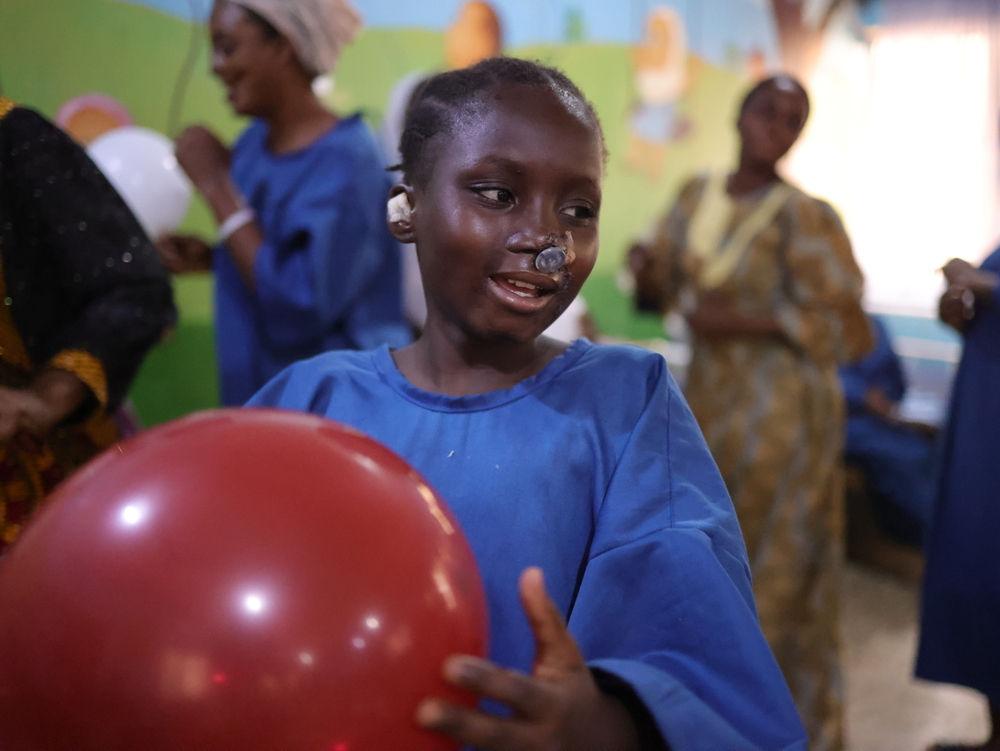
He explained that noma often begins with bleeding gums before progressing rapidly to swelling and the destruction of facial tissues, potentially causing severe disfigurement if treatment is delayed.
According to him, the disease can cause extensive damage within days or weeks, making early detection and intervention essential to preventing permanent disabilities.
“If we can detect this disease early, for example, at the first stage when we notice bleeding, it is easy to prevent it without causing any damage,” he said.
The MSF official stressed that noma was not contagious, adding that good oral hygiene, adequate nutrition, immunisation, and prompt medical attention could help prevent the disease.
He expressed concern that many affected children came from remote and underserved communities where access to healthcare facilities was limited, leaving some families to seek specialised treatment only after the disease had advanced.
Ajamah also identified inadequate awareness among healthcare professionals as a major challenge, noting that noma received insufficient attention in the training curricula of some medical and nursing schools.
“Even among health workers, awareness is still a problem. We did a study recently and found that some health workers were not aware of the disease,” he said.
He warned that inadequate knowledge of the disease could lead to misdiagnosis, delayed treatment, and an increased risk of severe complications.
To address the problem, Ajamah called for noma to be incorporated into the curricula of medical and nursing schools, alongside regular training for healthcare workers, particularly those serving at primary healthcare centres.
He also advocated the inclusion of noma in routine disease surveillance systems to help health authorities identify cases early and establish effective referral pathways for patients requiring specialised treatment.
“Our advocacy now is for this disease to be integrated into the primary healthcare system so that someone in a remote village can walk into a nearby primary healthcare centre and get treatment,” he said.
On MSF’s intervention in Sokoto, Ajamah said the organisation had supported the Sokoto State Ministry of Health in managing noma since 2014 through the Noma Children’s Hospital, a specialised facility dedicated to treating the disease.
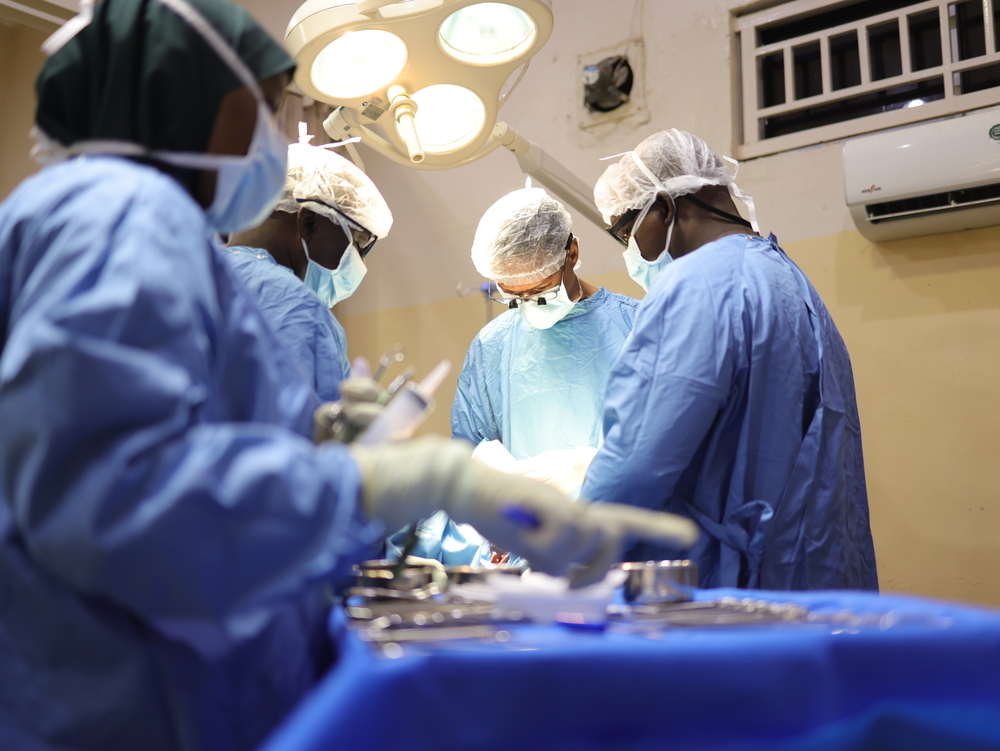
He said MSF provided patients with free medical care, medication, nutritional support, physiotherapy, psychosocial care and reconstructive surgery. The organisation also assisted with transportation and feeding for patients and their caregivers.
According to him, managing noma requires a coordinated, multidisciplinary approach because the disease affects not only patients’ physical health but also their psychological well-being and ability to reintegrate into society.
He noted that many patients experienced stigma and discrimination because of facial disfigurement, with some being isolated by their communities and prevented from interacting freely with other children.
“It’s difficult for somebody who has been isolated for a very long time to be thrown back into society. A lot of work goes into preparing them before they are discharged,” he said.
Ajamah disclosed that MSF performed 1,645 reconstructive surgeries on 1,078 patients between 2014 and 2025, explaining that some patients required multiple operations to restore facial appearance and essential functions.
He added that 1,034 patients received medical treatment and support in 2025, including surgery, nutritional rehabilitation, physiotherapy, and psychosocial care.
He further disclosed that MSF conducted 55 reconstructive surgeries between April 17 and May 1, 2026, while a subsequent surgical intervention was targeting 40 patients.
Ajamah explained that reconstructive surgery was essential not only to restoring patients’ appearance but also to helping them regain basic functions, particularly the ability to open their mouths and eat.
