

Rakiya A. Muhammad
Stakeholders have called for stronger women’s voices and increased representation in Sokoto’s political and decision-making arenas.
The stakeholders made the call at the ‘validation workshop on women’s participation in politics and decision-making in Sokoto State.’ The Productive Community for Sustainable Development Initiative (PCSDI) organised the programme, with funding from the Canada Fund for Local Initiative (CFLI).
Participants include government, civil society, traditional and religious leaders, women’s groups, communities, and development partners, all advancing inclusive governance and gender equity in Sokoto.
They highlighted the vital contributions women make to society and underscored the urgency of opening more doors for women in leadership and decision-making positions.
A key finding from the baseline survey was that women remain underrepresented in leadership, underscoring the pressing need for stronger support from all stakeholders.
During the event, Sani Umar, district head of Gagi and Chairman of the PCSDI Board of Trustees, remarked that the survey has generated valuable data for participants to analyse and advise on, paving the way for a practical document to guide the inclusion of women in key decision-making.
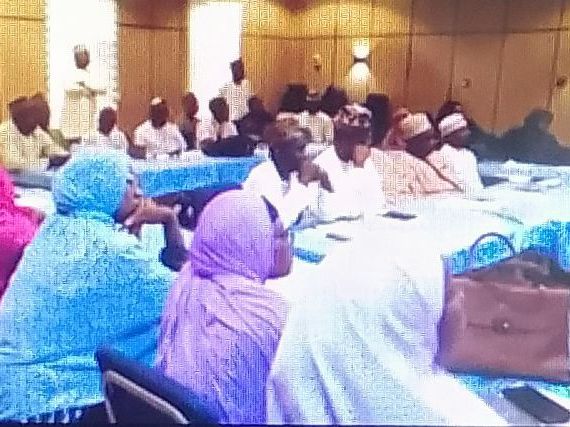
Earlier, in a welcome address, Nura Bello Suleiman, Executive Director, PCSDI, said the Baseline Survey on Women’s Political Participation was conducted across five selected Local Government Areas (LGAs) in Sokoto State.
According to him, the LGAs were carefully selected to represent urban, semi-urban, and rural communities, ensuring that the study reflects the diverse realities and experiences of women across the state.
He added that the validation meeting was to present the survey’s key findings and to provide stakeholders with the opportunity to review, validate, and enrich the results with their insights and experiences.
Suleiman described the validation process as essential to ensure that findings accurately represent on-the-ground realities and that recommendations are practical, inclusive, and address the needs of women in politics.
Throughout the workshop, participants offered invaluable insights that will enhance the quality and credibility of the final report and help drive greater participation of women in political and decision-making processes across Sokoto State.
Participants voiced optimism that with ongoing advocacy, increased awareness, and inclusive policies, more women will be inspired to step into leadership and governance roles, advancing the state’s development.
They reaffirmed their dedication to deepening democratic participation and empowering women to take on leadership roles.
