

Rakiya A. Muhammad
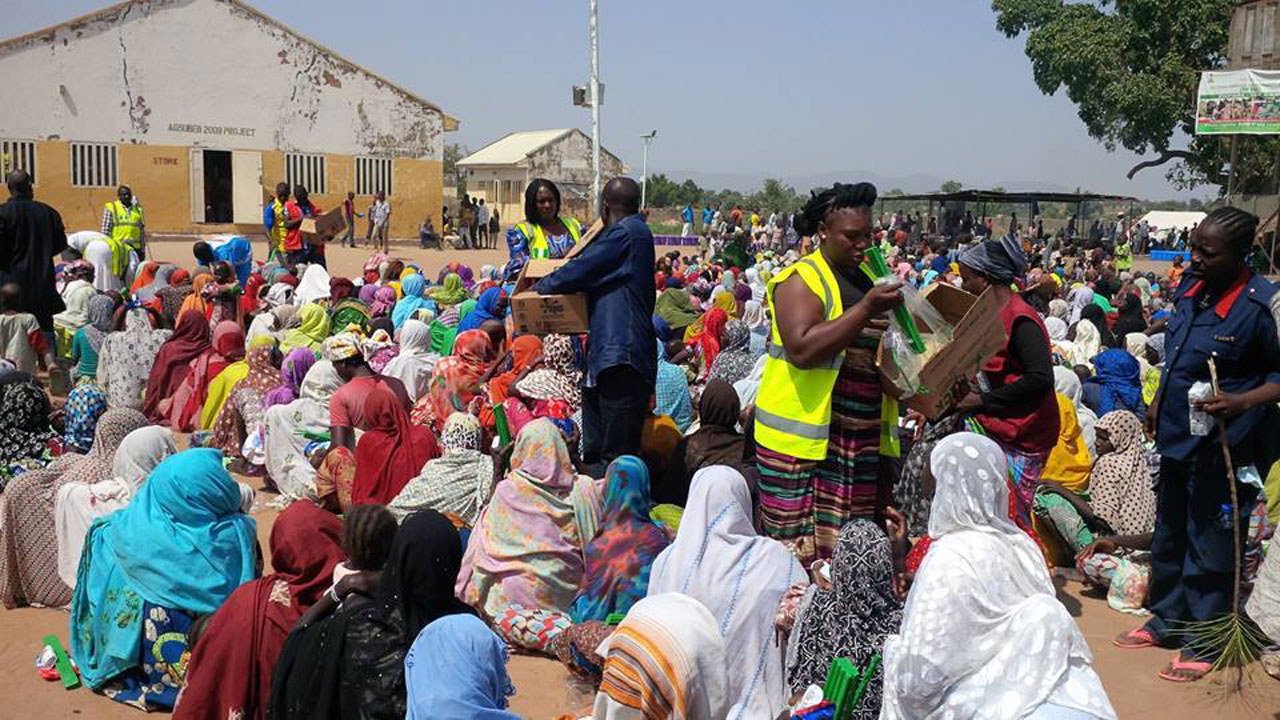
UNICEF and the EU’s humanitarian arm (ECHO) are partnering to deliver safe, inclusive education to more than 25,000 children aged 5 to 17 in IDP camps and host communities, directly targeting those who have lost access to learning.
The initiative is backed by a EUR 1 million grant from the European Union’s humanitarian arm.
“As insecurity threatens learning opportunities for thousands of children in Sokoto State, this initiative will ensure that affected children can continue their education and build the life skills they need for a brighter future,” stated Wafaa Saeed, UNICEF Representative in Nigeria.
Alexandre Castellano, Head of the European Union’s Humanitarian Aid and Civil Protection Office (ECHO) in Nigeria, emphasised that conflict should not dictate a child’s future and that learning disruptions may have lasting consequences.
Castellano said that through this partnership, the European Union and UNICEF will support communities in protecting children, enabling safe learning, and safeguarding educational rights.
Susan Akila, Communication and Advocacy Specialist at UNICEF, explained that out-of-school children will benefit from accelerated learning programs, while those already enrolled will receive additional support to strengthen foundational skills and improve academic progress.
“Over 24 months, the programme will facilitate community-led enrolment campaigns to identify and enrol out-of-school children,” she said.
“It will also promote safe school practices to protect children from violence, abuse, and exploitation.”
The Communications Specialist added that the programme will help restore water, sanitation, and hygiene (WASH) facilities in schools and launch WASH and environment clubs to encourage better hygiene and create healthier, more vibrant learning spaces.
“A strong focus is placed on quality learning and child wellbeing. Teachers will receive training in basic pedagogy and crisis-sensitive teaching methods that help them respond to trauma, mental health concerns and the psychosocial needs of children affected by conflict and displacement,” Akila stated.
“The programme will also provide mental health and psychosocial support services, including the creation of child-friendly spaces where children can learn, play, and recover in a supportive environment.”
The initiative aims to improve education in emergency coordination at the state and local levels and enhance preparedness to maintain learning during crises.
