

Rakiya A. Muhammad
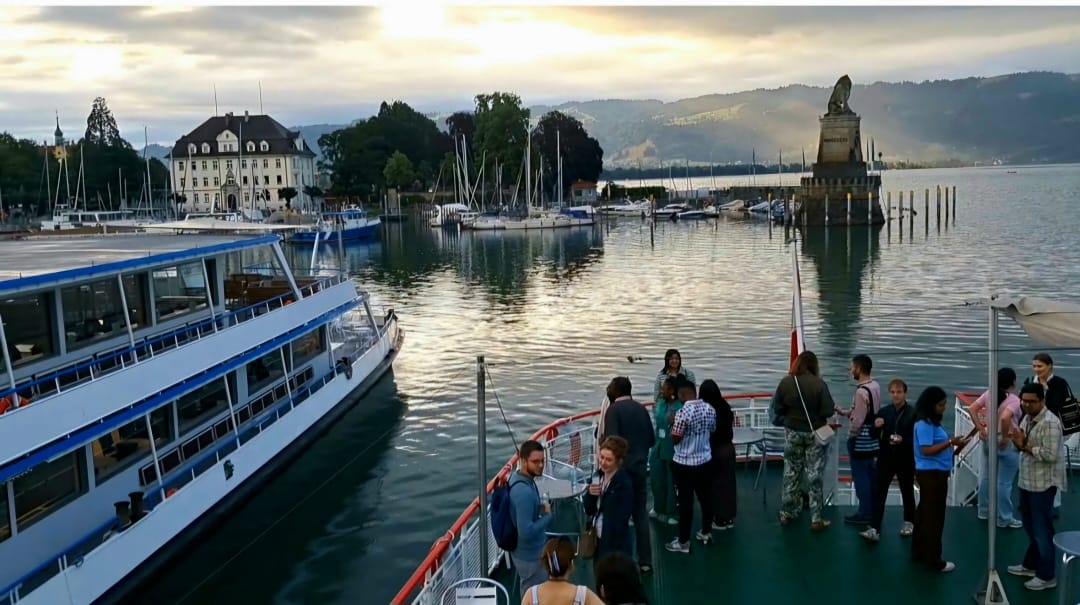
For many, the cruise gliding across Lake Constance from Lindau to Mainau was a thrilling finale to a week overflowing with thought-provoking lectures, spirited panel debates, collaborative partner exchanges, energetic Synergy/ /Lighting/ Focus Talks, the inspiring Nobel Hour, and refreshing science walks at the 75th Lindau Nobel Laureate Meeting in Germany.
Each summer, Nobel Laureates and more than 600 young scientists convene in Lindau for the International gathering.
Lindau physicians Franz Karl Hein and Gustav Wilhelm Parade, together with Count Lennart Bernadotte of Wisborg, a Swedish royal, initiated the Meetings in 1951 to bring together people from post-war Europe, especially the younger generation. Lindau soon became an international forum for sharing knowledge across nations, cultures, and disciplines.
This year, the Nobel Laureate Meetings (Interdisciplinary), themed ‘75 years and Beyond: Science Transcending Borders,’ began on June 28, 2026.
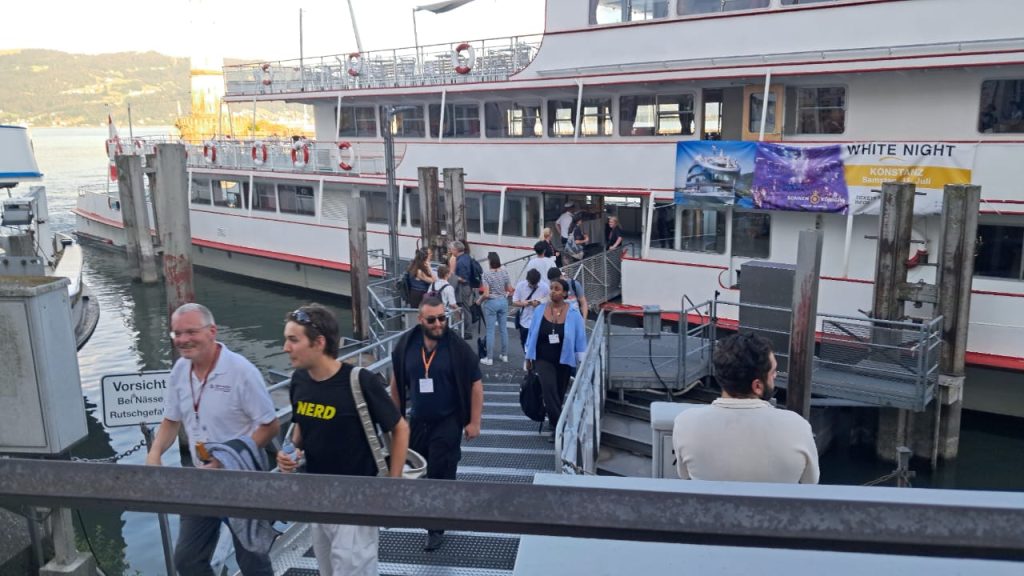
As the week drew to a close, participants came together one last time, not in a lecture hall, but on a vessel bound for Mainau Island and the closing ceremony on July 3, 2026.
The voyage hosted by the state of Baden-Württemberg became a lively arena for connection, uniting scientists, researchers, and visionaries on a remarkable adventure brimming with friendship and profound insight.
Outward Odyssey: Camaraderie & Reflections
Once the outward voyage cruise began, a sense of camaraderie filled the air. Some discovered profound moments that invited deep personal reflection, with an abundance of insight to take in and contemplate.
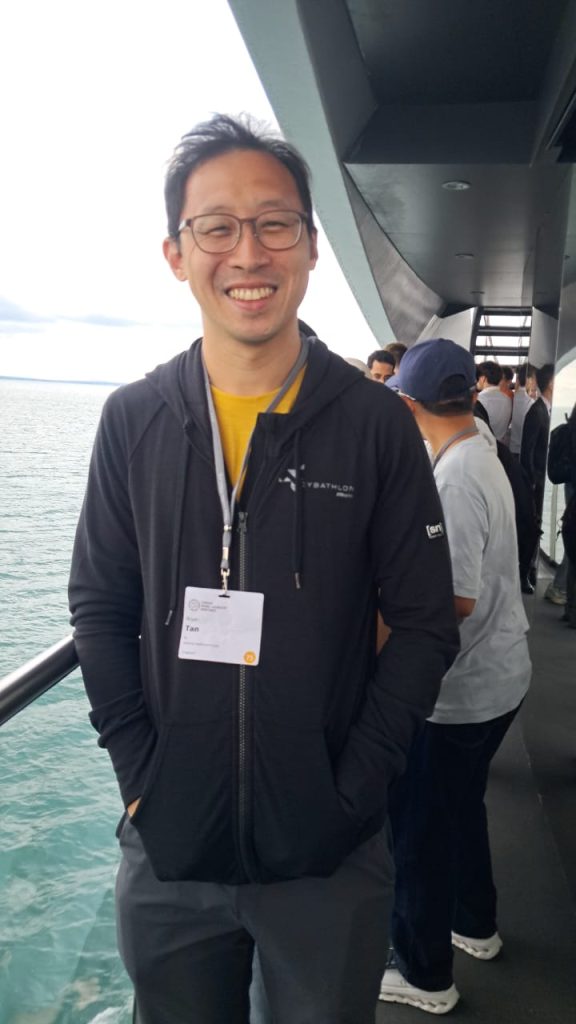
While the ship slips quietly over the water, Bryan Tan’s mind fills with memories, each insight rising to the surface as softly as a wave brushing the hull.
Standing on the ship’s balcony, the Singaporean Orthopaedic surgeon looks out at the endless horizon and feels inspired and energised by the interdisciplinary conference.
“What has been most spectacular is just the sheer diversity of the people who are so passionate in the different areas they are,” he remarks.
“Many of them are not in the areas that I work in, but you have conversations with people that inspire you to think about the things you didn’t think about before; It’s indeed conversation, cross-pollination of ideas, it’s an amazing experience.”
He observes: “I feel like being with so many young scientists who are so passionate about the things they want to do to change the world, and interacting with the Nobel laureates who have changed the world, is a very powerful combination.”
“It’s a powerful combination of getting the young people and older folks together to see how we can inspire the next generation; how can you use science to make the world a better place.”
The surgeon, whose focus is on musculoskeletal diseases, speaks of inspiration from Nobel laureates: “I want to approach my work with the same passion and curiosity that many Nobel Laureates have.”
Finding better ways to prevent, treat, and manage musculoskeletal diseases, as the leading cause of disability, matters much to him.
Tan has this advice for young scientists: Stay curious, stay passionate, and don’t give up trying to change the world.
Also, aboard the cruise, Zeina Bourhane, a French postdoctoral researcher, warmly remembers the meeting as a turning point that shaped her path in science.
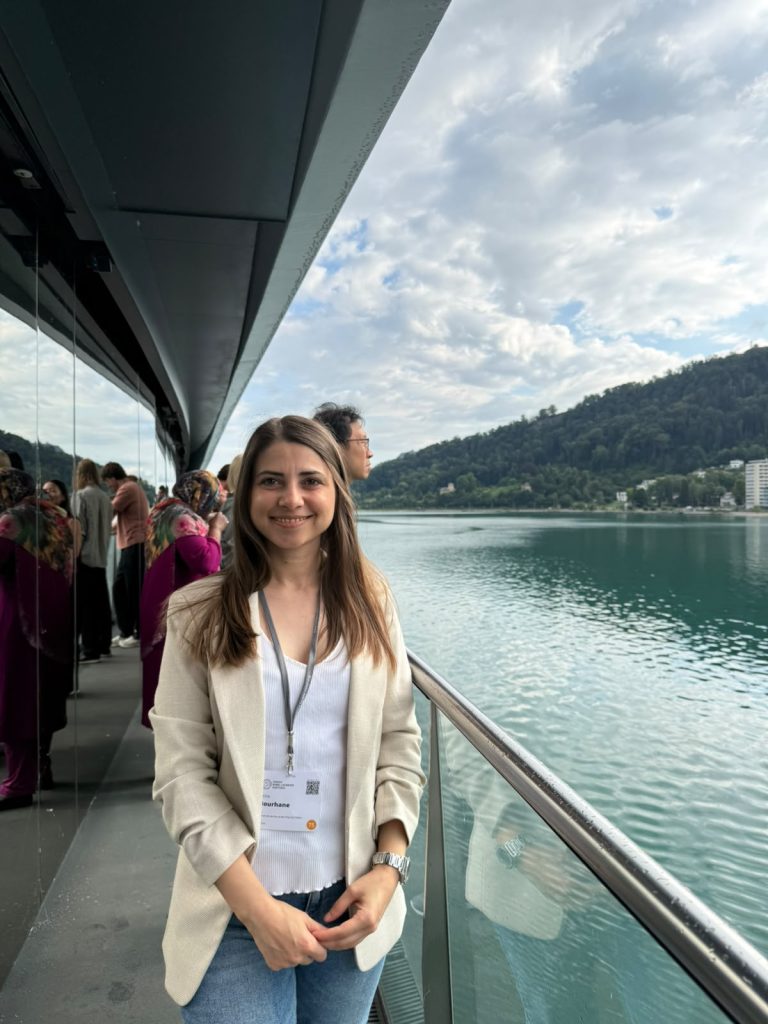
“For me, Lindau is not only about science; it is also about responsibility, generosity, and the people we meet along the way. Lindau reminded me that scientific discoveries are built with resilience, vision, creativity and courage,” she says.
“Beyond the scientific discussions, I hope to bring back valuable lessons on leadership, creativity, and scientific responsibility. As a scientist, I am committed to promoting scientific communication, mentoring young researchers, and encouraging greater participation of women in science. “
As a postdoctoral researcher at the Université de Pau et des Pays de l’Adour in France, Zeina explores the vibrant crossroads of environmental microbiology and metabolomics, seeking out natural compounds that could transform pharmaceuticals and cosmetics, all while championing the sustainable management of water resources.
The global challenge that drives her research is the need to protect natural ecosystems while discovering sustainable solutions for human health.
“Attending the Lindau Meeting represents not only an opportunity for my own development but also a chance to contribute to a global scientific community working together to address society’s most pressing challenges.”
In quiet moments, Adam Abdullahi settles onto a bench in the open air beside the cruise ship’s passenger cabin, his thoughts drifting to the profound influence of international interdisciplinary science gatherings.
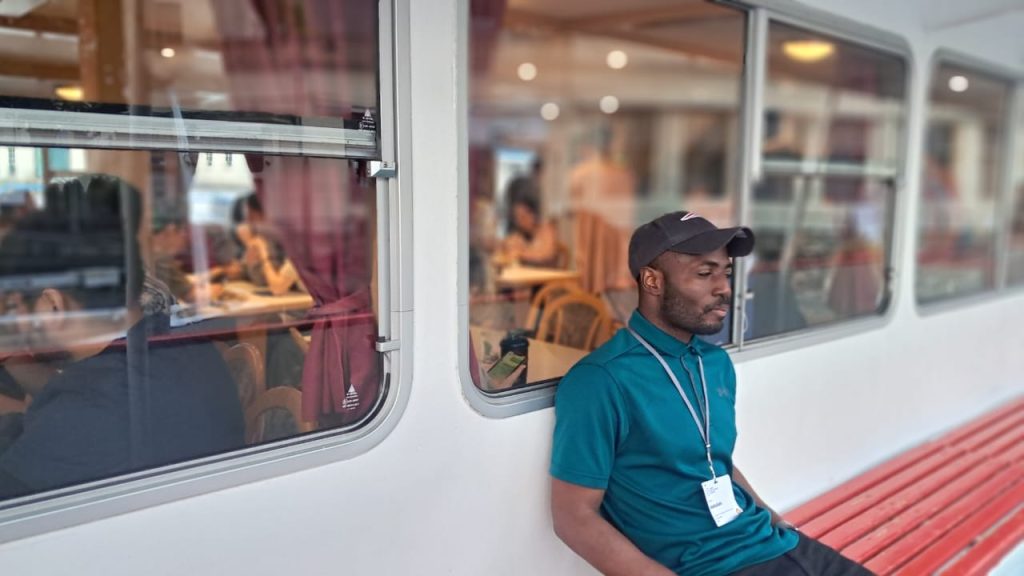
“It’s been wonderful; I have had the opportunity to engage with many Nobel Laureates. It’s probably one of those opportunities you get once in a lifetime,” says the Cambridge-Africa Research Fellow, University of Cambridge.
“It motivates you to do more to find what your niche is and how you can make an impact at scale with the work that you do.”
For the infectious disease scientist, it is also a wake-up call to think interdisciplinary.
“When you talk about preparedness, readiness, and response anywhere in the world, it’s only as strong as its weakest link,” he points out.
” It’s not just about epidemic preparedness; how do you link that up with all the other work that people are doing here? Certainly, this meeting is an excellent opportunity to engage with people.”
The Nigerian adds, “I met other Africans here; we have exchanged numbers of some of the research interests; it already seems like there is room for collaboration.”
“This is what it’s all about-how can you take what I already know to link with what other people know-ways to impact humanity.”
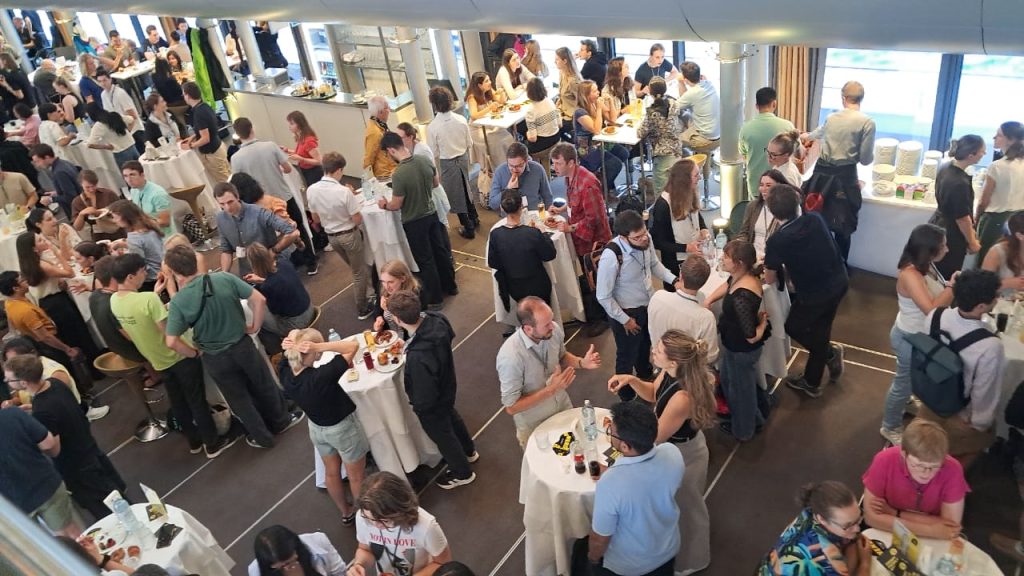
Many others felt the same way: the experience reached far beyond science. It was about building lasting bonds, exchanging ideas, and engaging in lively conversations. Science, after all, is a journey best travelled together, and gatherings like this bring that journey to life.
As the ship glides across the water, the scenery unfolds in breathtaking beauty, reminding us of the world we strive to understand and protect. The cruise also offers a rare glimpse of where Australia, Germany, and Switzerland converge.
Mainau Moments: Brainstorms, Sunlit Picnic, Saunters
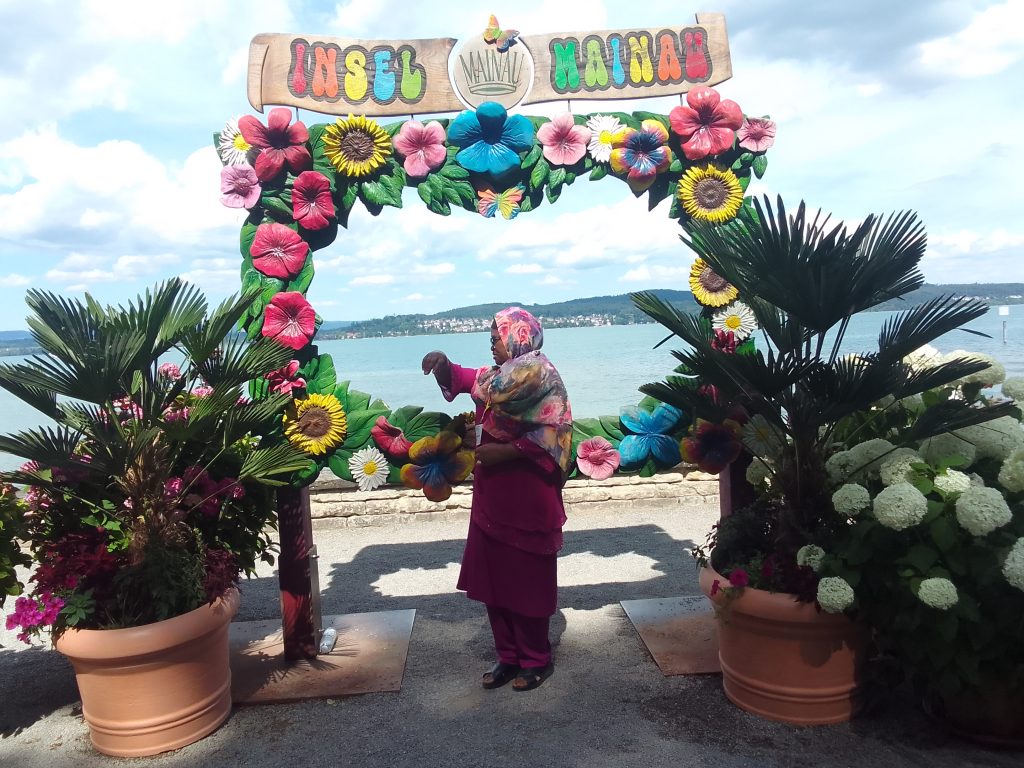
Stepping onto Mainau Island, participants were instantly enveloped by a kaleidoscope of blooming wonders as they journeyed toward the Palace Meadow, where the grand closing ceremony beckoned.
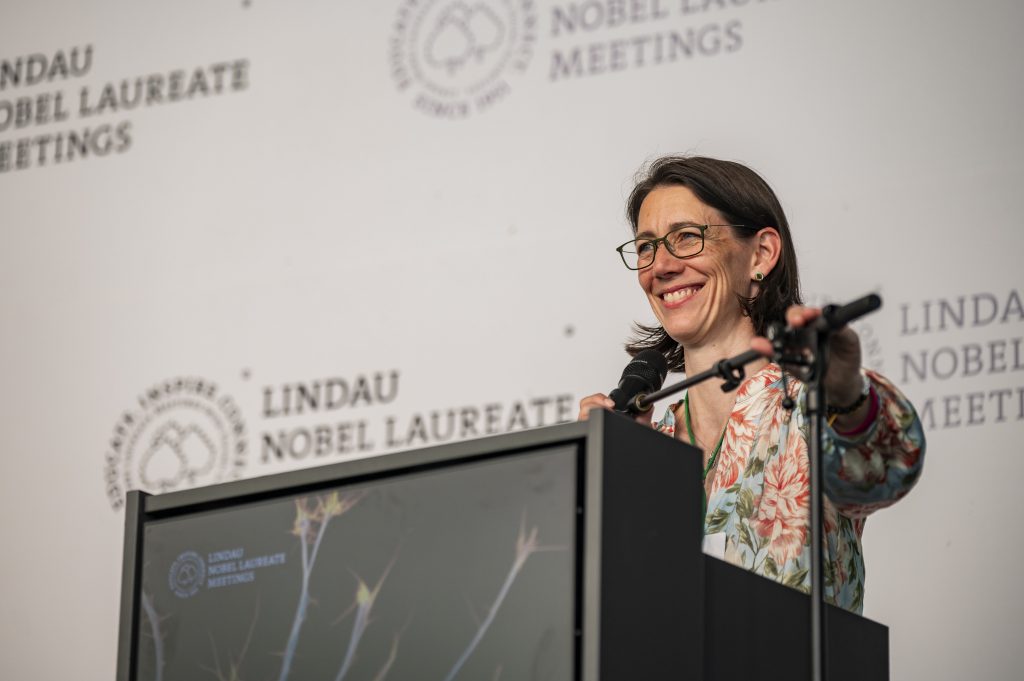
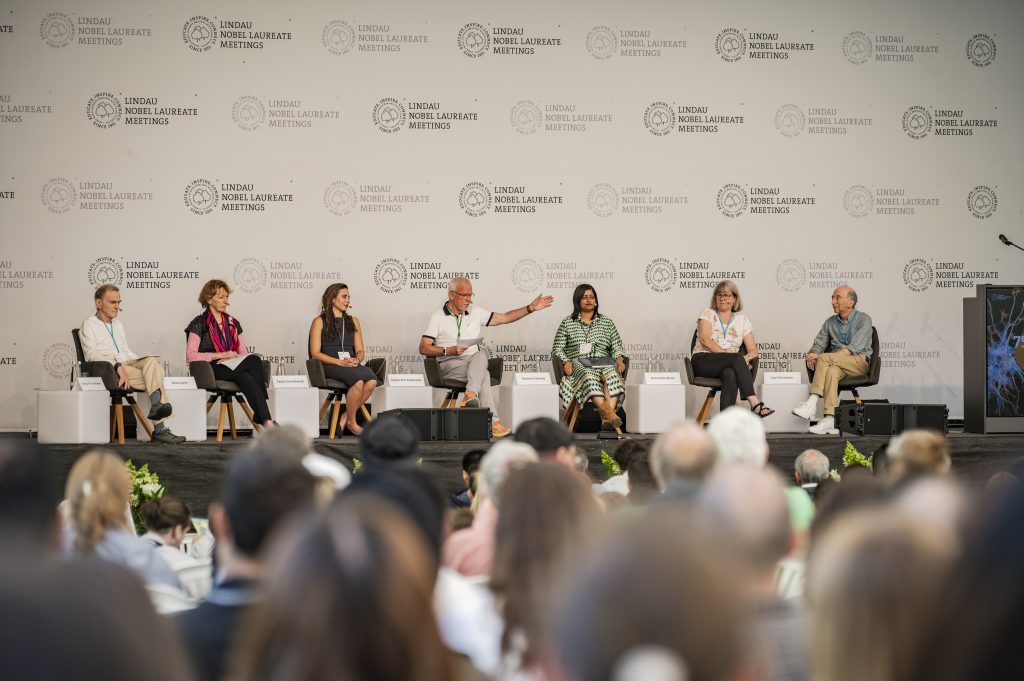
A highlight of the day was a panel discussion on restoring trust in science. In an era where misinformation spreads quickly and public confidence falters, education shines as a guiding light. Nobel Laureates and Young Scientists explored how curiosity, critical thinking, and scientific literacy can spark renewed faith in science.
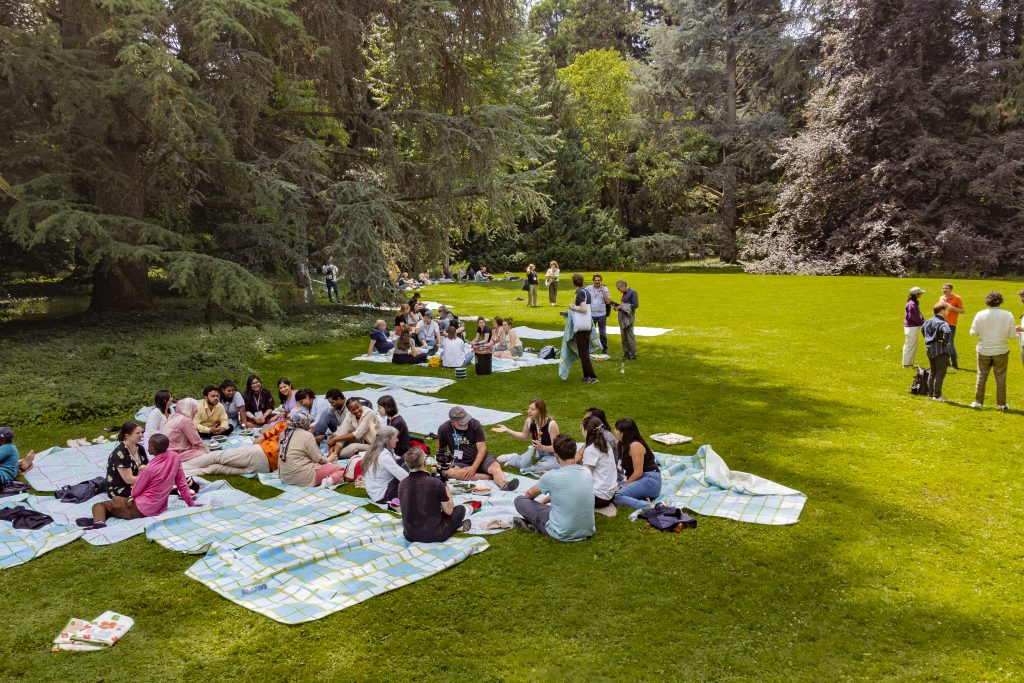
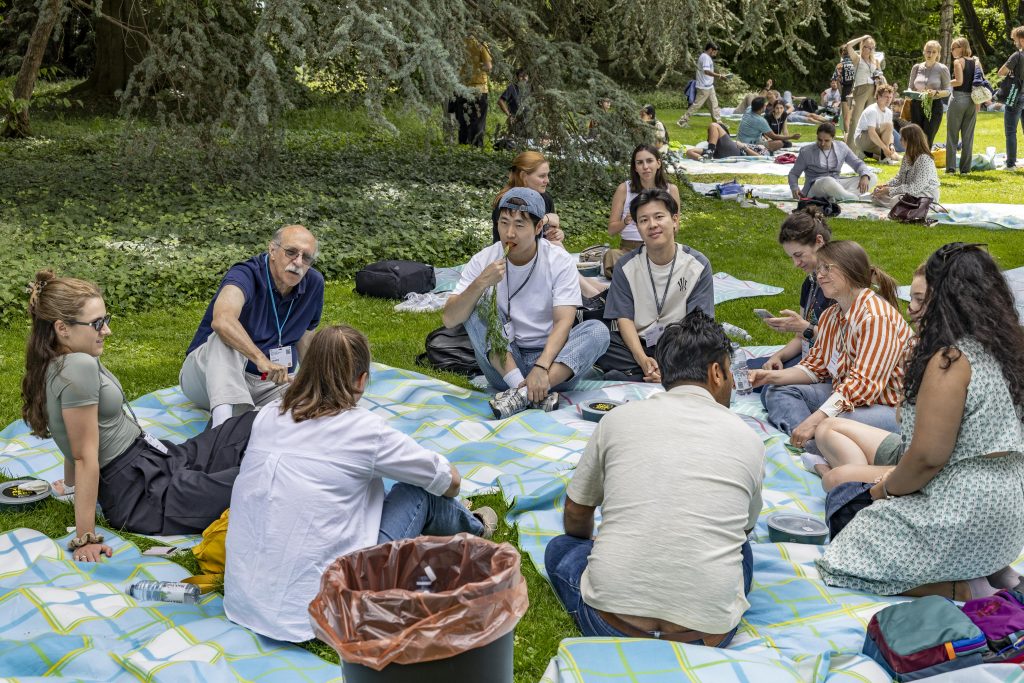
After spirited discussions, the group gathered for a ‘Science Picnic’ set against a backdrop of stunning scenery. They lounged on mats under the vast sky, savouring their meals and sharing animated conversations, all while immersed in the Arboretum Lawn’s vibrant gardens.
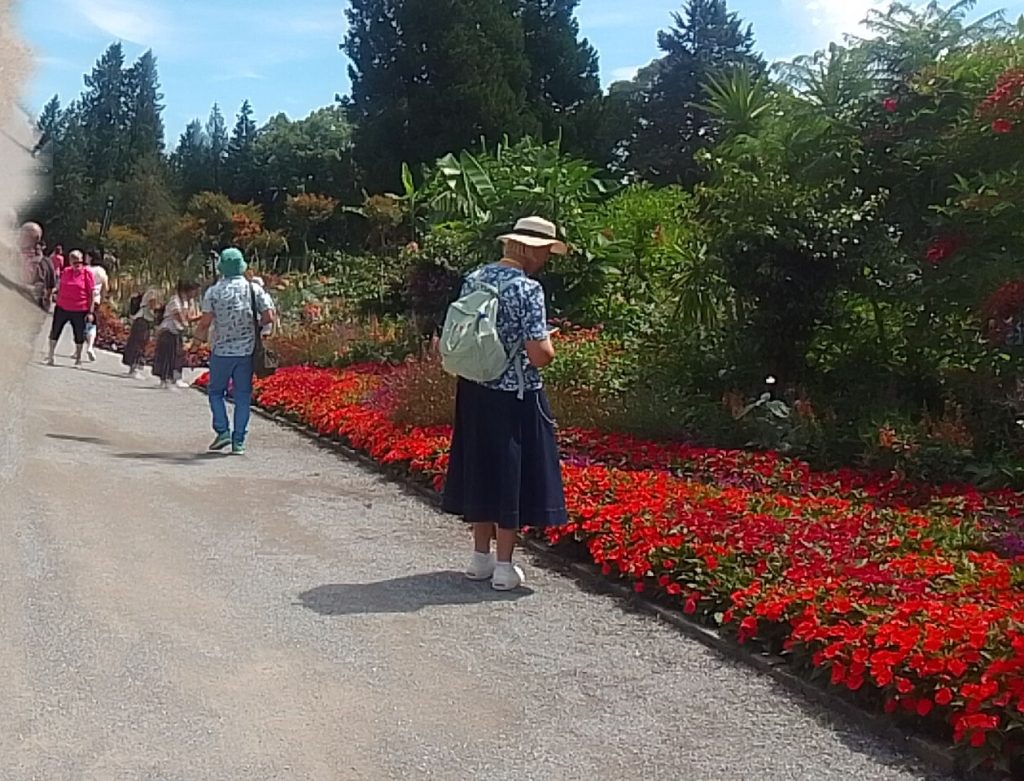
Later, they strolled through the Arboretum, gazing up at majestic trees and basking in the beauty of Mainau Island. Winding paths and flourishing gardens offered a peaceful escape for all.
Return Reminisce: Crescendo of Excitement
As the ship made its way back to Lindau, a surge of excitement swept through the cruise. Participants poured onto the dance floor, swaying to the infectious rhythms of ‘Shake Body’ by a Nigerian Artist, Skales and other vibrant tracks, transforming the evening into a radiant celebration of togetherness and pure joy.
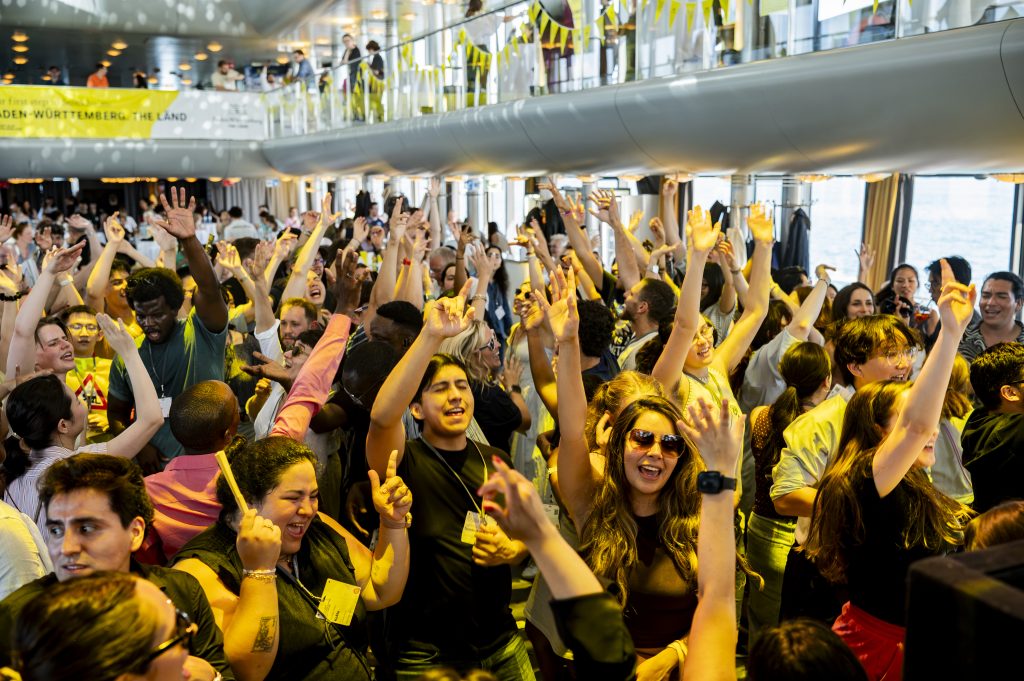
The voyage may have lasted only a few hours, but its message endures: diversity fuels unity, collaboration forges strength, and every discovery sparks new hope.
Returning to their respective countries, participants carry the spirit of this journey, united in their quest to unravel the world’s mysteries and shape a brighter future for generations to come.
As Countess Bettina Bernadotte, President of the Council, notes while opening this year’s Lindau Nobel Laureate Meeting, “Science is, ultimately, a shared human endeavour, as also mentioned in Alfred Nobel’s will. And that is the reason why our anniversary motto reads: ‘Science Transcending Borders.’
“For 75 years, Lindau has shown that curiosity travels farther than borders can draw lines,” she highlights. “Science does not ask where we come from. It asks what we can discover together.”
