
By Zubair Abdurra’uf Idris
Kaduna State stands at a defining moment in its political and economic history. For eight years under the administration of former Governor Nasir El-Rufai, the state borrowed recklessly, accumulating debts that now consume the lifeblood of the state’s monthly allocation. Today, those who cheered that borrowing spree and remained silent while billions vanished into private pockets have found their voice again. But instead of acknowledging the damage done, they accuse the current administration of Governor Uba Sani of making “excuses” about the state’s financial status.
The facts tell a different story. The figures are public, the projects are visible, and the contrast between rhetoric and reality has never been starker. This piece lays bare how Kaduna was plundered, what the House of Assembly uncovered, and how Governor Uba Sani is rebuilding despite inheriting a financial minefield.
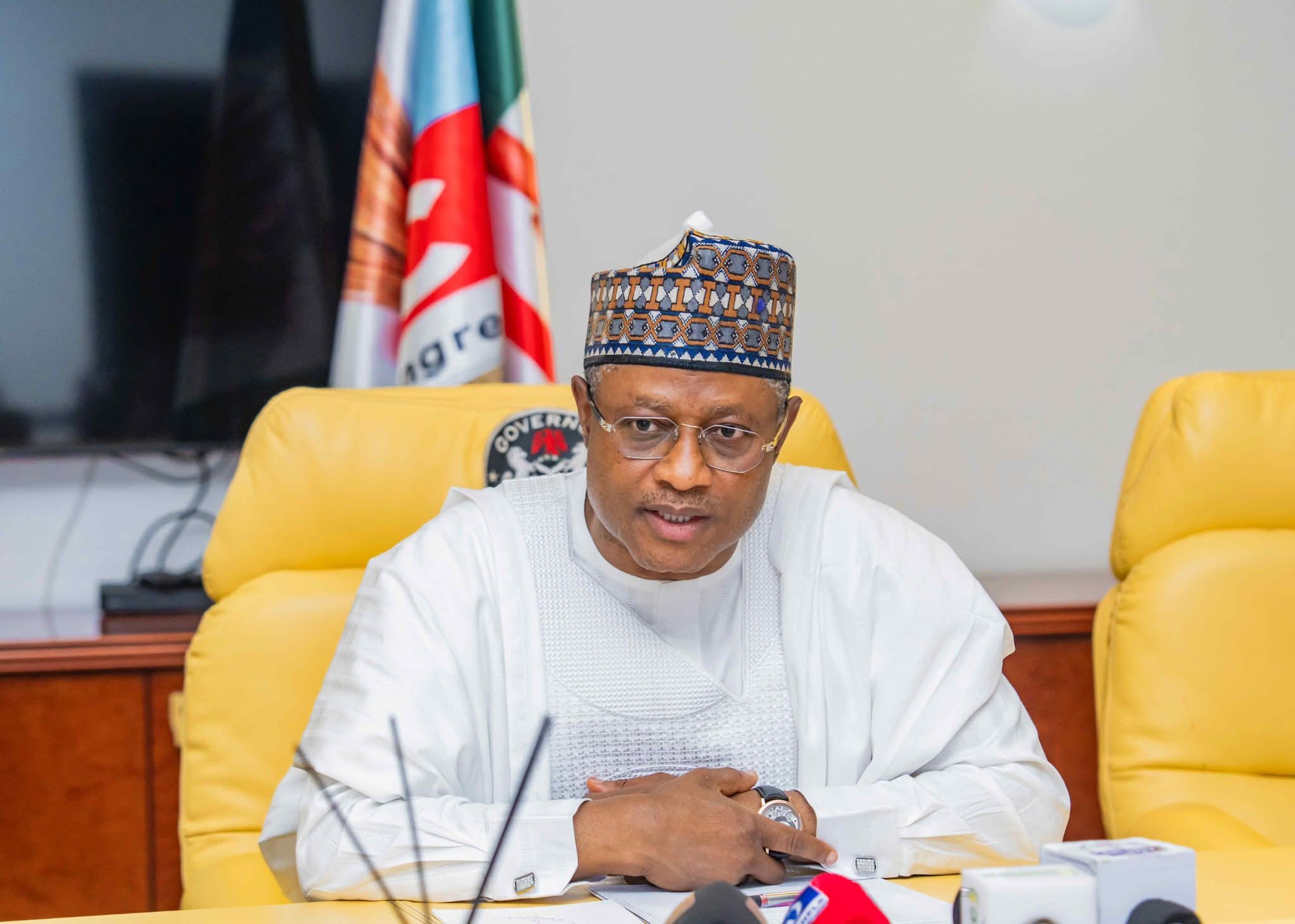
In a recent interview with Channels Television, Governor Uba Sani revealed the grim reality of debt servicing in Kaduna State. Over ₦6 billion monthly is deducted at source to service loans taken by the El-Rufai administration. These were not productive loans that translated into visible infrastructure or human capital development. Instead, they were loans that the Kaduna State House of Assembly committee found to be mismanaged and diverted.
The committee’s report uncovered over ₦450 billion in financial irregularities and suspected fraud during the last administration. Contracts were inflated, projects were abandoned or never executed, and public funds meant for schools, hospitals, and roads found their way into private accounts. Yet the same loyalists who defended every controversial policy between 2015 and 2023 are now the loudest in claiming that Governor Uba Sani is using debt as an excuse for underperformance.
That narrative collapses under the weight of the March 2026 Federation Account Allocation Committee records. Kaduna State received ₦12,488,876,703.74 for the month. Out of that amount, 50% was immediately deducted for debt servicing inherited from the previous government. Another ₦5 billion went into salaries and recurrent expenditures, leaving the state with barely ₦1 billion to address security, education, health, and other critical services for over 8 million people.
Any honest observer would recognize that no government can deliver meaningful development under such constraints. The problem is not low performance. The problem is that the state’s future was mortgaged before Uba Sani took office.
What makes Governor Uba Sani’s tenure remarkable is that progress is happening in spite of the financial strangulation. While his predecessors had access to borrowed funds without the burden of repayment, Uba Sani is delivering tangible projects with less than 10% of the state’s monthly allocation left after deductions.
The administration has prioritized rural and urban education infrastructure. Hundreds of dilapidated primary and secondary schools are being rehabilitated, with new classrooms, furniture, and learning materials provided. Teachers’ welfare has also received attention, reversing years of neglect that demoralized the education sector.
Perhaps the most visible impact is in healthcare. Over 255 Primary Health Care facilities have been upgraded to second-tier health centers, equipped with modern facilities to bring quality care closer to rural communities. In addition, 12 General Hospitals across the state are undergoing comprehensive renovation and re-equipment. For a state that endured years of underinvestment in health, this is nothing short of a transformation.
Roads that were abandoned or existed only on paper under the last administration are now under construction. Rural roads are being opened to connect farming communities to markets, reducing post-harvest losses and reviving agriculture. Urban renewal projects in Kaduna and Zaria are also underway, aimed at easing congestion and improving living standards.
For over 15 years, banditry crippled Kaduna’s rural economy. Farming, which is the backbone of many local governments, came to a halt as communities fled violence. Today, Kaduna State has received national and international accolades for restoring relative peace in previously volatile areas. The return of farmers to their fields is not just a security win; it is an economic revival. Markets are reopening, food supply is improving, and communities are rebuilding trust with the government.
What is most troubling is not the debt or the fraud. It is the refusal of the former administration’s loyalists to own up to their role in Kaduna’s financial collapse. Instead of maintaining silence out of shame, they have embarked on a campaign of misrepresentation, accusing Governor Uba Sani of hiding behind debts to cover “low performance.”
This is gaslighting at its worst. You cannot loot a state, leave it with ₦450 billion in questionable transactions, mortgage its future with unsustainable loans, and then turn around to mock the person cleaning up the mess for not building fast enough. The public is not blind. The records from the Federation Account are public. The House of Assembly report is public. The upgraded health centers, rehabilitated schools, and reopened farms are visible to anyone willing to look beyond social media propaganda.
Kaduna State’s challenge is not a lack of leadership or vision. It is the weight of history and the consequences of financial recklessness. Governor Uba Sani inherited a state where half of every allocation goes to servicing debts that brought little value to the people. Yet within two years, his administration has restored peace, revived healthcare, reopened schools, and restarted rural development.
The narrative that Uba Sani is making excuses is a deliberate distraction from the real issue: accountability for ₦450 billion. If Kaduna is to move forward, the conversation must shift from blame-shifting to demanding answers from those who managed the state’s finances between 2015 and 2023.
Kaduna deserves honesty. It deserves projects, not propaganda. And it deserves leaders who prioritize the people over their own reputations. Governor Uba Sani is proving that even with a crippled treasury, commitment and prudent management can still deliver results. The people of Kaduna see it, and history will record it.
Zubair Abdurra’uf Idris is a Public Affairs Analyst and Board Member of Nigeria Electricity Management Services Agency, NEMSA,writes from Abuja.
