

By Rakiya A.Muhammad
The Africa Health Budget Network (AHBN) has lauded strides made to boost routine immunisation financing in Sokoto, while urging greater focus on making data more transparent and accessible across the state.
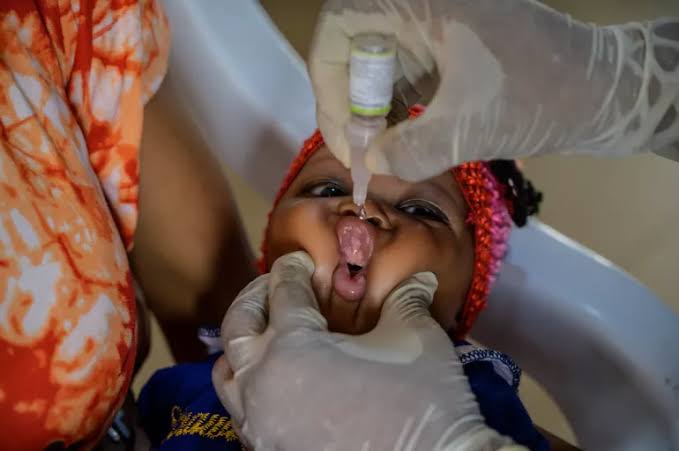
AHBN, working closely with its Communities of Practice (CoP) across Bauchi, Borno, Kano, and Sokoto States, made the call while spotlighting major findings from the latest Immunization Budget Accountability Scorecard covering the 2025 fiscal year.
Drawing on years of evidence-based monitoring and grassroots accountability, the scorecard delved into government promises on immunization funding, budget allocations, disbursements, and the real-world impact on service delivery.
“In 2025, the Sokoto State Government released ₦365 million for immunization programmes, marking a positive step toward strengthening routine immunization financing,” pointed out Dr. Aminu Magashi Garba, AHBN Coordinator.
“This progress was largely driven by sustained advocacy and engagement by AHBN’s Community of Practice, a contribution publicly acknowledged by the Executive Secretary of the Sokoto State Primary Health Care Development Agency, Dr. Bilyaminu Balarabe Yari Sifawa, during the ZDLH End-of-Year Media Parley.”
According to him, while this development is commendable, the scorecard highlighted opportunities to further strengthen data transparency and accessibility in the state.
He emphasised that greater access to budget and performance data would foster a stronger shared understanding and enable more informed, evidence-based decisions.
“AHBN and the CoP therefore encourage the Sokoto State Ministry of Budget and Planning to leverage existing platforms, including government websites, to regularly publish timely and comprehensive quarterly budget performance reports,” he stated.
Dr Magashi asserted that while the Zero Dose Learning Hub (ZDLH) initiative, supported by GAVI and with technical partnership from AFENET, formally concluded in December 2025, AHBN and the CoP stand resolute in advancing accountability. They are committed to driving ongoing progress for equitable access to life-saving vaccines, especially for zero-dose children in 2026 and beyond, ensuring these gains are sustained and expanded.
