

Rakiya A.Muhammad
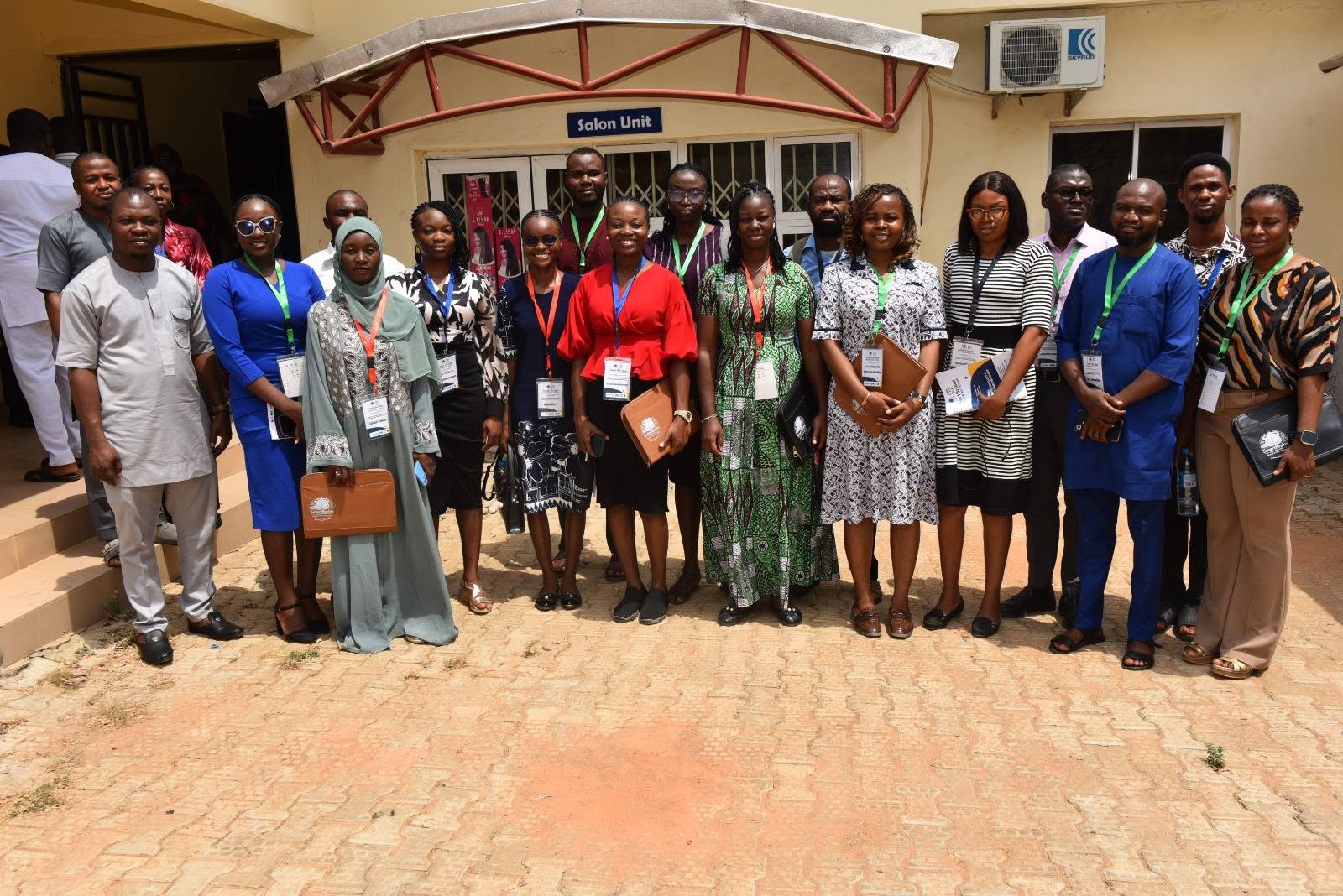
In a bold move to boost neuroscience education, spark innovation, and empower the next generation of African scientists, Bingham University, Karu, hosted the SmartBrains Neuroscience School 2026, an intensive five-day training initiative.
Under the banner of “NeuroAI, Neurotechnology and Career Empowerment Tools,” the programme unites scholars, researchers, and aspiring scientists from universities across Nigeria and connects virtually with participants from across Africa and beyond.
Vice-Chancellor of Bingham University, Prof. Haruna Kuje Ayuba, noted that neuroscience has become one of the most transformative scientific disciplines globally, influencing fields such as medicine, psychology, artificial intelligence, and public policy.
Speaking through, the Dean of the School of Postgraduate Studies, Prof. Okoli Joseph Bamidele, the VC said the gathering represents a significant intellectual milestone and reflects the growing commitment to advancing neuroscience education and research across the continent.
He emphasised that the growing interest in the programme underscores the importance of collaborative scientific efforts to address pressing health and development challenges in Africa.
With neurological and neuropsychiatric disorders such as stroke, epilepsy, and neurodegenerative diseases presenting urgent health challenges—especially in Africa, where resources and expertise are scarce—the VC emphasised that initiatives like the SmartBrains Neuroscience School are vital. They empower young scientists with advanced knowledge, hands-on skills, and valuable networks to spark breakthroughs in brain health research.
He also underscored the power of collaboration and mentorship, pointing out that the rich diversity of participants from various institutions not only enlivens the learning atmosphere but also inspires new cross-institutional research partnerships.
In a keynote titled “NeuroAI, NeuroTechnology and Career Empowerment Tools: A Survey of the Contemporary Landscape”, Prof. Barnabas Danborno of the Department of Anatomy, Ahmadu Bello University, traced the historical development of neuroscience from ancient civilisations to the modern scientific era.
He explained that early understanding of the brain often combined rudimentary scientific observations with spiritual interpretations.
Neuroscience in the 21st century, he pointed out, is being revolutionised by cutting-edge technologies such as artificial intelligence and machine learning, which now unlock vast troves of brain data, decode neural signals, and anticipate behavioural patterns with remarkable precision.
Danborno highlighted several emerging fields shaping modern neuroscience, including computational neuroscience, neuroengineering, neurotechnology, brain-computer interfaces and large-scale brain mapping.
He explained that artificial intelligence had become indispensable in neuroscience research due to its ability to analyse complex datasets generated from neuroimaging, electrophysiology, genomics, neuronal data and cognitive studies.
He noted how these technologies sharpen diagnostic accuracy, empower early detection of neurological and psychiatric disorders, accelerate drug discovery, and propel the development of personalised neuromedicine.
Prof. Danborno further identified key competencies required for the next generation of neuroscientists, including strong foundations in neuroscience; programming skills in languages such as Python, R, and MATLAB; data science; neuroinformatics; ethics awareness; scientific communication; and interdisciplinary fluency.
He also stressed that emotional intelligence is vital for researchers, explaining that the intense demands of academic research, experimentation, and publication call for scientists to cultivate resilience, empathy, motivation, and strong interpersonal skills.
While celebrating the transformative power of artificial intelligence in neuroscience, he warned that its swift integration brings ethical and legal challenges, including data privacy, neurodata security, and algorithmic bias, underscoring the urgent need for responsible innovation.
According to him, artificial intelligence and neurotechnology are no longer optional tools but have become foundational elements of modern neuroscience research and healthcare delivery.
Mr Daburi Bello Misal, the university Registrar, applauded the theme for its timeliness and its perfect harmony with the fast-evolving landscape of scientific research.
Speaking through Dr Barnabas Z. Abesadu, Senior Deputy Registrar, Misal encouraged participants to embrace this rare chance to expand their knowledge, build enduring professional relationships, and make a significant impact in advancing research and innovation.
